As a commuter who travels nearly 100 kilometers round trip every day, the only word I look for when choosing a car is "worry-free." I previously struggled over plug-in hybrids and range-extended EVs, but after doing the math I gave up on them outright—at my level of vehicle use, buying a plug-in hybrid would basically mean hugging a charging gun every day. During the day I'd be worrying, "Is there enough charge to get home?" At night I'd detour and line up to charge, and after charging I'd still be thinking, "Do I need to top up tomorrow?" It would be like hiring a supervisor for myself. A friend around me bought a plug-in hybrid, then found charging such a hassle that he just kept running on gasoline, and once fuel and maintenance costs were added up, it would have been better to buy a gasoline car in the first place.
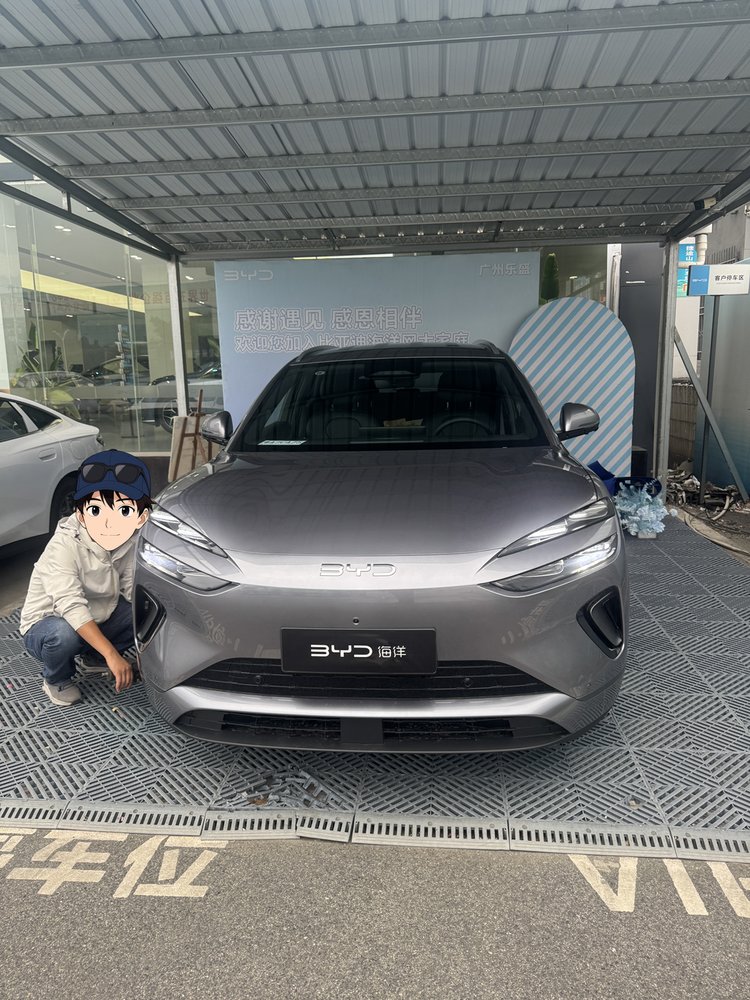
In the end, I decisively bought a BYD Sea Lion 06EV, and after driving it for 3 months I am completely certain: pure electric is my thing. For people who use a car frequently, the pure-electric trait of "one charge, several days of peace of mind" hits the pain point perfectly. Just as no one wants to charge a phone three times a day, the same goes for cars. I chose the 520km Pilot Edition, and over these three months it has steadily met my core range needs. Today I'll properly talk with everyone about my experience driving it over the past few months.
Exterior performance:
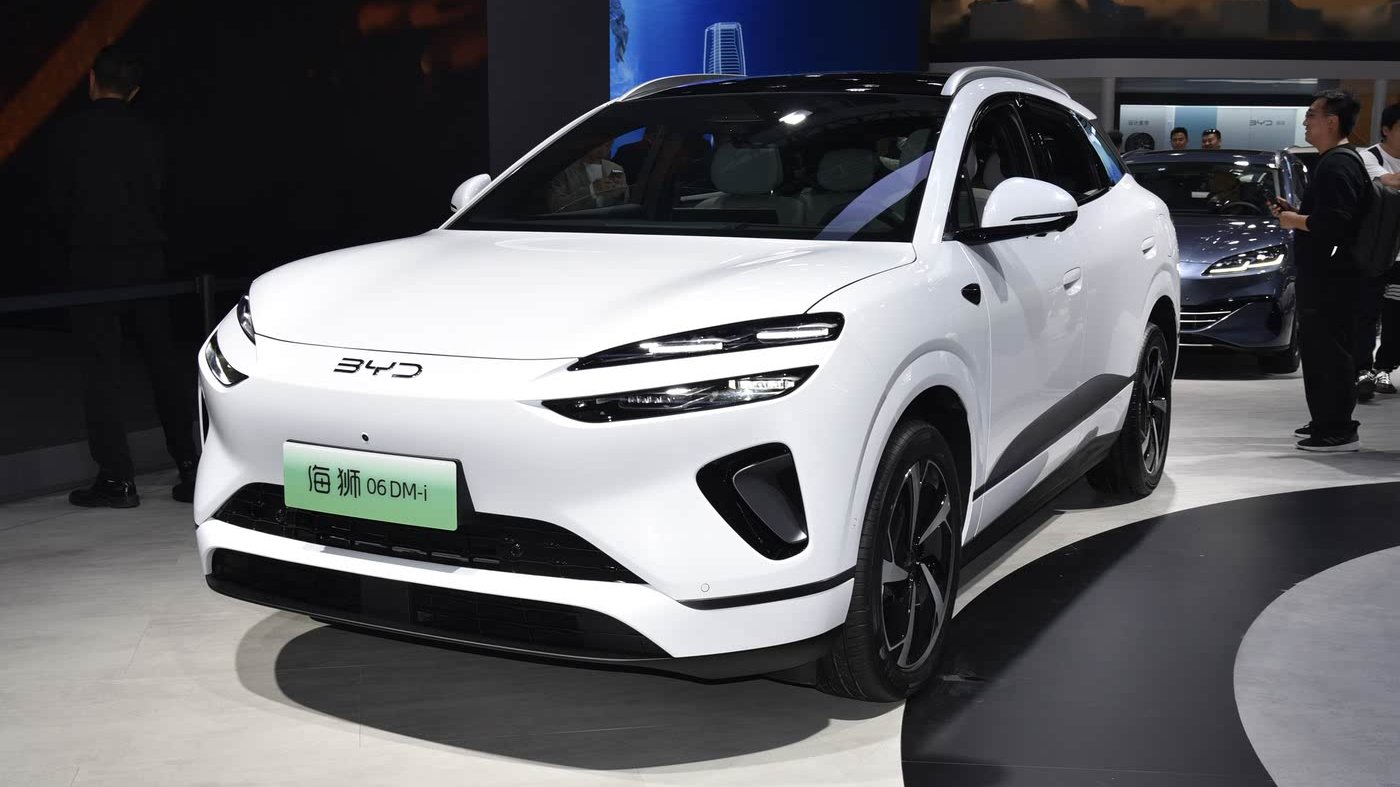
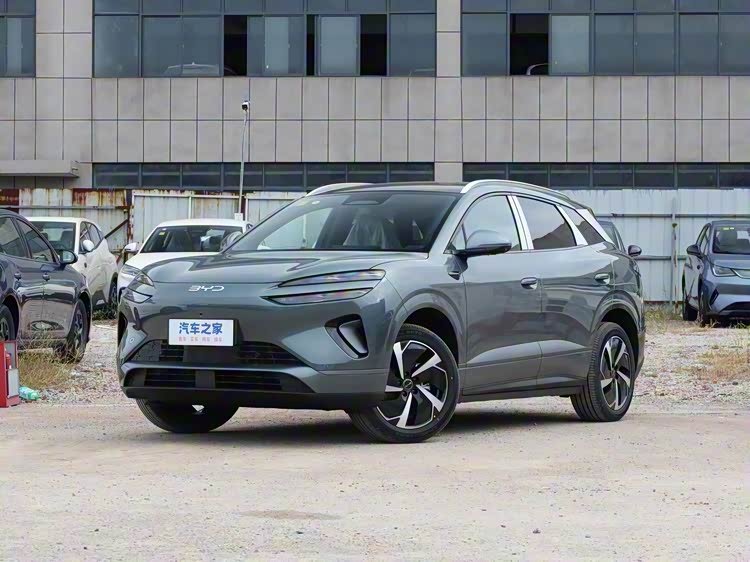
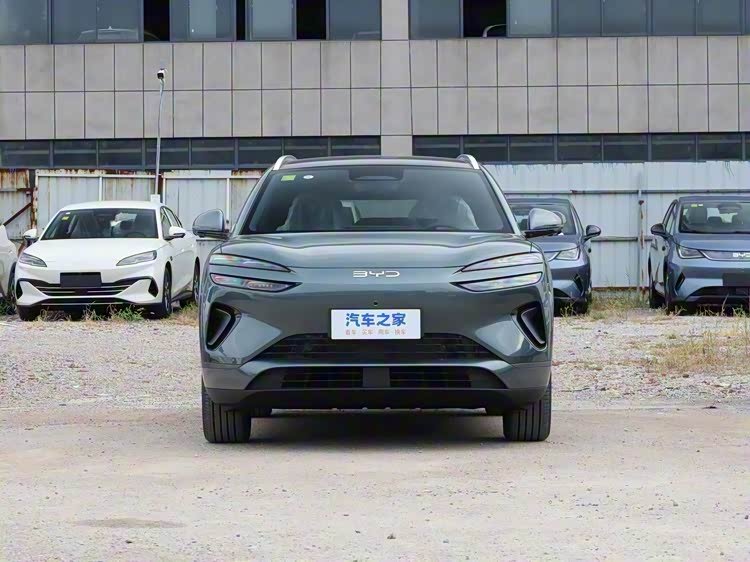
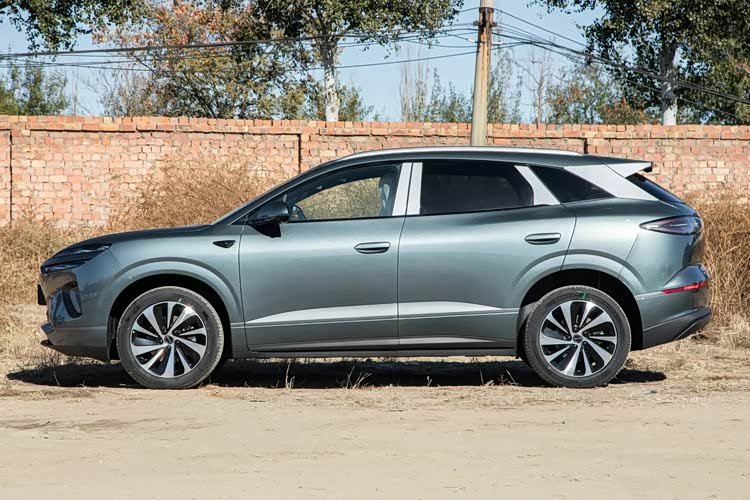
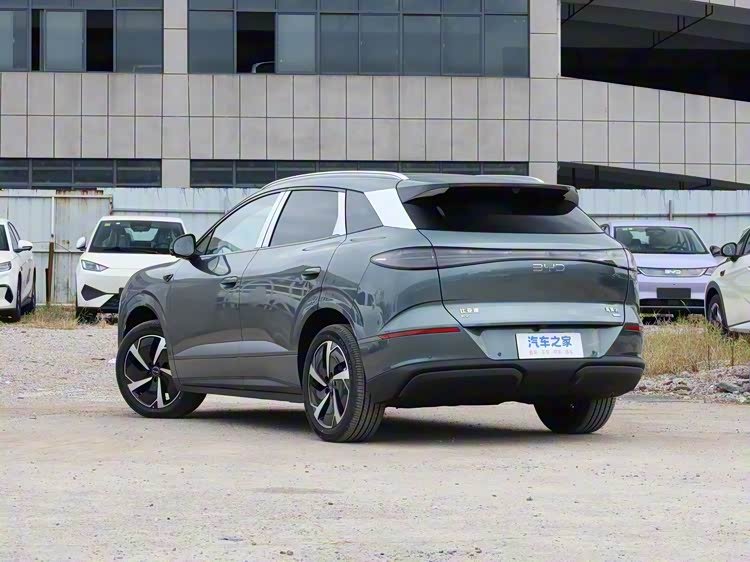
First, let me start with the exterior of the Sea Lion 06EV. This car can be said to look better the more you see it. BYD's ocean aesthetics design really hits the mark, with none of the rigid feel of an SUV, and the body lines are smooth and rounded. The front LED light group has high recognizability: by day it is a thin light strip, and at night when lit it looks very energetic; the side waistline has a bit of a fastback feel without affecting rear passenger space, a very clever design.
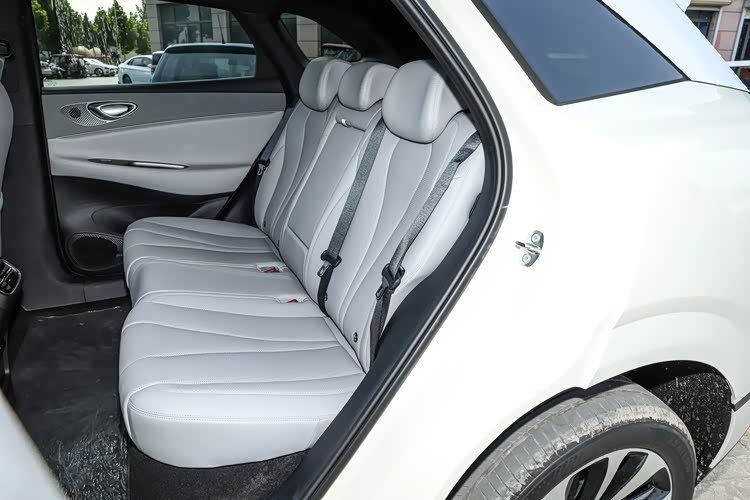
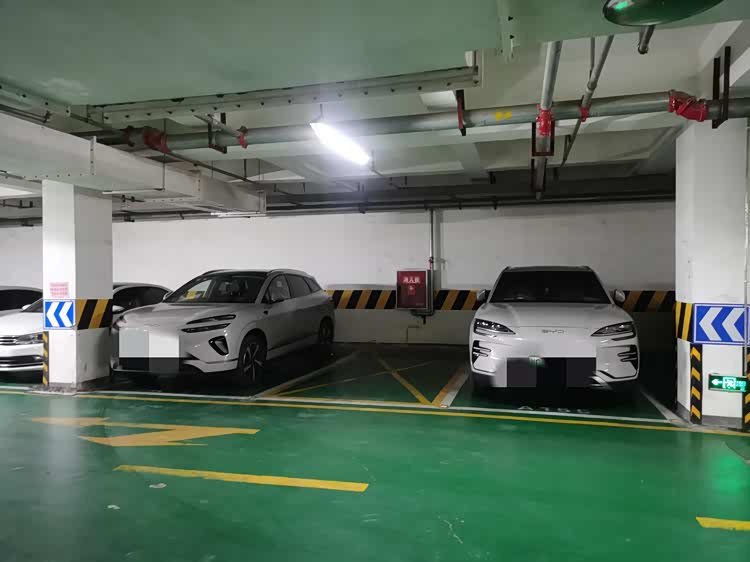
The car is 4810 millimeters long, fitting neatly in a standard parking space, and parking in mall garages and narrow residential spaces is effortless. The 2820-millimeter wheelbase is very practical. I am 178cm tall and when sitting in the driver's seat I still have more than a fist of headroom. Once I took three colleagues on a business trip, and three adult men in the back seat were not cramped, with the middle passenger also having room for his feet, much better than the compact SUV I drove before.
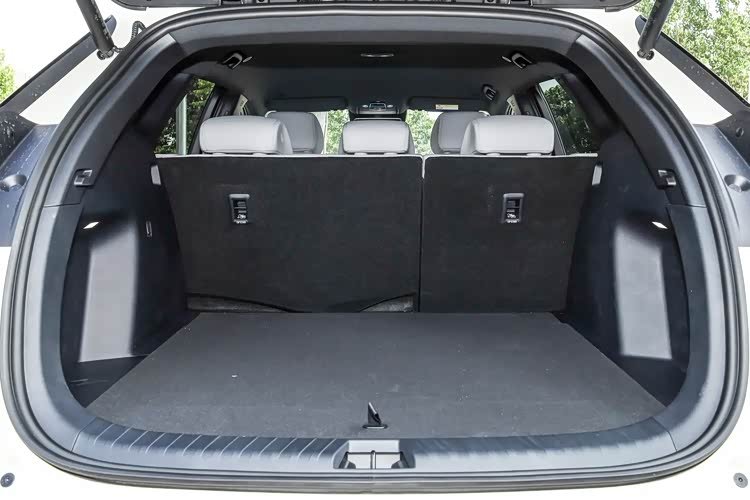
Storage space is a blessing for detail-oriented people. The 142L front trunk is just right for charging cables, a first-aid kit, and other odds and ends. Last month when moving, the 757L trunk swallowed folding tables and chairs, suitcases, and several boxes of books with room to spare. The 28 storage spaces inside the car are especially thoughtful: the door panels can hold two bottles of mineral water, the center armrest box is deep enough to stuff an umbrella, and the front passenger storage compartment has a layered design, making it super convenient to put a phone and keys.
Range performance:
The key point is range. The official figure is 520km CLTC (2025 520 Pilot Edition), and I already knew real-world range would be discounted. Over these three months I kept detailed records: starting from a full charge, air conditioning at 24°C, kinetic energy recovery in standard mode, mainly driving in the city and a small amount on elevated roads, and I figured out its real performance.
On workdays I drive 96 kilometers a day, and the battery drops from 100% to 81%, which is close to a 9.8 discount on range. At that intensity, when I reach 350 kilometers the battery is exactly at 10%; with gentle driving it can reach 370-380 kilometers, but not more than 400 kilometers. For me this performance is enough. At 100 kilometers a day, one charge lasts 3-4 days, and then I top up once on the weekend, so I never have to think about charging every day.
Last month on a business trip I drove more than 200 kilometers on the highway, so I tested highway range: before getting on the highway the battery was 80% (416km displayed), and throughout I drove at a steady 110km/h, occasionally overtaking at 120km/h, with air conditioning and adaptive cruise on. After the full 210 kilometers, 32% battery remained, which converts to about 450 kilometers of highway range on a full charge, an achievement rate of more than an 8.6 discount.
I also paid attention to the claim that lithium iron phosphate batteries perform poorly in winter. When the temperature dropped to 10°C, with battery preheating on, range fell by only about 10%, and the 520km version could actually run 340 kilometers. Northern car owners in the owner group said that at -3°C with the heat pump air conditioning on, the 605km version could still actually run 430 kilometers, a discount rate of only 12%. For me, compared with this slight degradation, the safety of the Blade Battery is more important, and that is also the core reason I chose it.
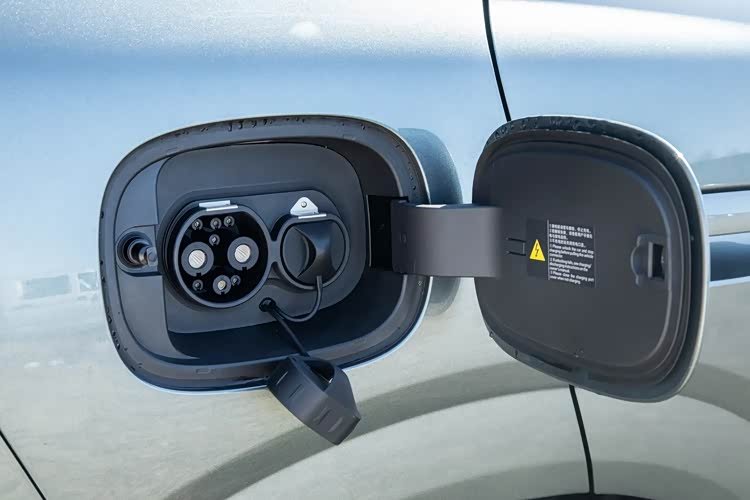
No matter how solid pure-electric range is, slow charging makes it useless. The Sea Lion 06EV's fast charging completely helped me say goodbye to anxiety. My 520km version has a fast-charging power of 195kW, and 30%-80% takes only 18 minutes. When charging at a highway service area, by the time I go wash my face, the battery goes from 30% to 50%, far more worry-free than older electric cars.
Owners of the 605km version in the owner group said their cars have fast-charging power of 237kW, and 30%-80% also takes 18 minutes, adding 16 kilometers per minute. Over these three months I took several long trips, and one charge during the noon break added more than 300 kilometers, with no need to plan charging stations in advance. Now there are more and more fast-charging piles at highway service areas and malls, making replenishment more convenient than refueling.
I installed a home charging pile, and BYD provided the equipment and installation service for free. Charging at night during off-peak hours costs only a few mao per kilowatt-hour, and electricity cost per 100 kilometers is less than 10 yuan. Over these three months, for 100 kilometers a day, the monthly electricity bill was only 300 yuan, much less than when I drove a fuel car before—previously fuel cost 1,500 yuan a month, a difference of more than 10,000 yuan a year. Pure-electric maintenance is also cheap, mainly replacing the air conditioning filter and checking the brakes, only a few hundred yuan a year, saving money compared with hybrid models.
Driving experience:
The Sea Lion 06EV is built on the e Platform 3.0 Evo, and the rear-mounted rear-drive layout makes handling very agile. The steering wheel is light, precise, and free of dead zone, and the 5.55m minimum turning radius is smaller than many compact sedans, making it easy to weave through streets during morning and evening rush hours and avoid pedestrians in residential compounds.
The standard Cloud Chassis-C intelligent damping system across the lineup is very practical, able to adjust suspension stiffness and softness in milliseconds. When driving on bumpy suburban roads, the suspension filters out most of the jolts; when cornering at high speed, the suspension becomes taut, with little body roll and great safety. With front double-ball-joint MacPherson plus rear five-link suspension, the chassis feel is not inferior to joint-venture cars costing more than 200,000, and friends who have ridden in my car all say so.
The 170kW rear motor has enough power (2025 520 Pilot Edition). Although 7.5 seconds to 100km/h is not particularly fast, the pushback feeling is linear and the car does not lurch, giving confidence when following traffic in the city and overtaking on the highway. The quietness of an electric car is something fuel cars cannot match, and even at 120km/h on the highway there is only slight wind noise.
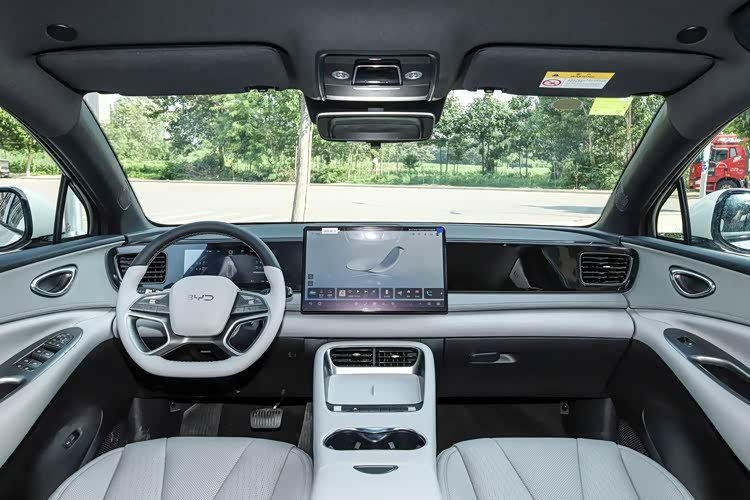
The comfort features are very thoughtful. It is relatively rare for even the entry version to have front seat ventilation and heating, and it is also very practical; now that the weather is cold, a few minutes of heating makes it warm and cozy. The 10-layer seat has a rebound rate of 66.7%, so even after two or three hours on a long drive you do not feel tired.
Intelligence and safety:
The assisted driving features are super worry-free on long trips. DiPilot100 supports more than 20 functions including highway and expressway navigation assist and intelligent parking. When highway navigation assist is on, the vehicle can stay centered in its lane and automatically follow the car ahead, so you do not have to keep pressing the accelerator and brake, making long trips less tiring. Of course, I always remember that safety comes first, and I stay focused even when using assisted driving.
Intelligent parking is very friendly to beginners. I taught my cousin, who had just gotten his license, to use it, and it could park very neatly even in narrow spaces. The DiLink 100 system responds quickly, backed by a 6nm chip, and four-zone voice control is especially responsive; even if someone in the back seat says "turn on the air conditioning," it responds accurately. Over these three months I have basically not needed to operate the screen manually.
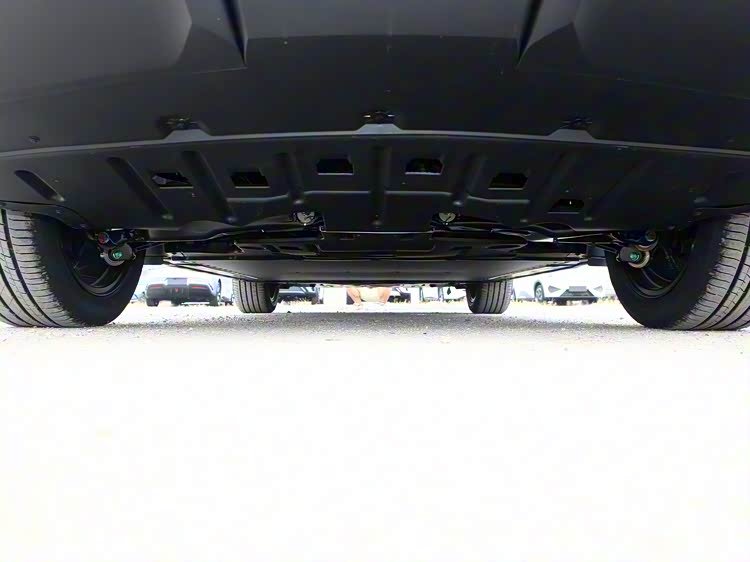
Safety features were key to my choice. The 78.7% high-strength steel body plus CTB architecture is like wearing reinforced steel and iron bones. The Blade Battery's safety stands up to testing; the decomposition temperature of lithium iron phosphate material exceeds 500°C, and even in a nail penetration test it will not catch fire or explode, with surface temperature only 30-60°C. Driving it with my family aboard makes me feel more at ease.
The full lineup has 7 airbags plus automatic emergency braking, lane departure warning, and other comprehensive features. Once on the highway I was distracted, and the lane departure system reminded me in time, helping me avoid danger. Although the TSC high-speed tire blowout stability system it carries has not been used, just knowing it has this configuration gives extra assurance, able to stabilize the body during a blowout. For me, these safety features are all essential.
What about price and benefits?
To be honest, the Sea Lion 06EV's price of 143,800 to 163,800 yuan is very competitive. Joint-venture cars with the same configuration cost tens of thousands more, while domestic cars at the same level are not as good as it in range and safety. I chose the 50% down payment, 24-month 0-interest policy (for specific discount details, please consult your local dealer), so the monthly payment pressure is small; benefits such as trade-in subsidies and a free charging pile are also very practical, further lowering the cost of buying the car.
Lifetime warranty on the three electric systems for the first owner is a major highlight, and this is also an important reason I chose BYD. Pure-electric three-electric system repairs are costly, and with this policy I feel especially at ease when driving, without worrying about spending money on repairs later.
Of course there are some complaints, such as the new car having a leather odor, but I ventilate it by opening the windows every day, and now it has faded a lot. But these are all minor shortcomings, not worth mentioning in the face of its advantages. After all, no car is perfect, only one that suits you.
For specific discount details, please consult your local dealer
Summary: For someone who truly needs pure electric, no regrets after buying
After driving the Sea Lion 06EV for these three months, I have been completely won over by the convenience of pure electric. At 100 kilometers a day, one charge lasts 3-4 days; highway range is solid and fast charging is quick, so there is no anxiety on long trips either; the Blade Battery is safe, the configuration is complete, and the price is affordable, making it a satisfying choice among 140,000-yuan-class pure-electric SUVs. Over these three months it has never let me down and fully meets my needs.
If you, like me, truly need range, I sincerely suggest choosing pure electric and not agonizing over plug-in hybrids. For people who use their cars frequently, plug-in hybrids may still be a burden, because you may not want to refuel in order to save costs and only want to charge, and only after trying it will you understand the hassle of charging every day. A pure-electric model like the Sea Lion 06EV, with solid range, fast replenishment, safety, and comfort, is the good family car for ordinary people. The real experience of these three months tells me that my choice was right.
Buying a car is like finding a partner: the one that suits you is best. If you value range, safety, and cost-effectiveness, and have fixed charging conditions, the Sea Lion 06EV is worth a try. As an owner who has driven it for three months, I say responsibly that it may not be perfect, but it is definitely one of the pure-electric SUVs worth buying at this price.


