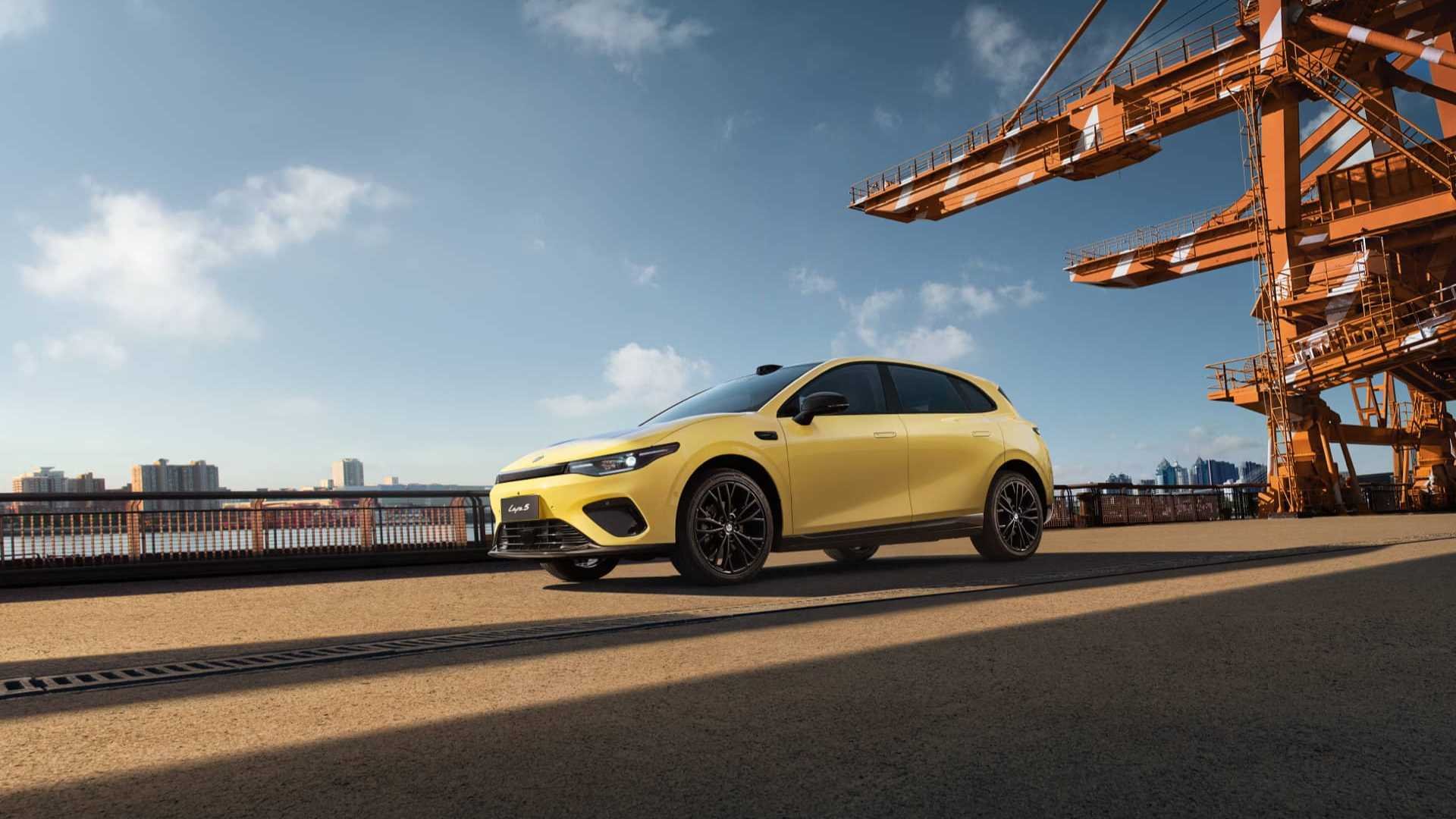
In the "red ocean" of the 100,000-yuan class of pure electric sedans, what else can still make people's eyes light up?
The answer Zero Run has given is this just-launched all-new strategic model—the Zero Run Lafa5.
On November 27, the Zero Run Lafa5 was officially launched, with a total of 5 models introduced, an official guide price of 97,800-121,800 yuan, a limited-time benefit price of 92,800-116,800 yuan, offering two CLTC pure electric ranges of 515km and 605km, while the high-performance Ultra version is planned for delivery in the first half of 2026.
The price does not play any flashy "tricks," but cramming "high-spec vocabulary" such as an 800V high-voltage architecture, lidar intelligent driving, and an 8295 cockpit chip into the 100,000-yuan class is the most worthwhile part of the Lafa5 to discuss in detail.
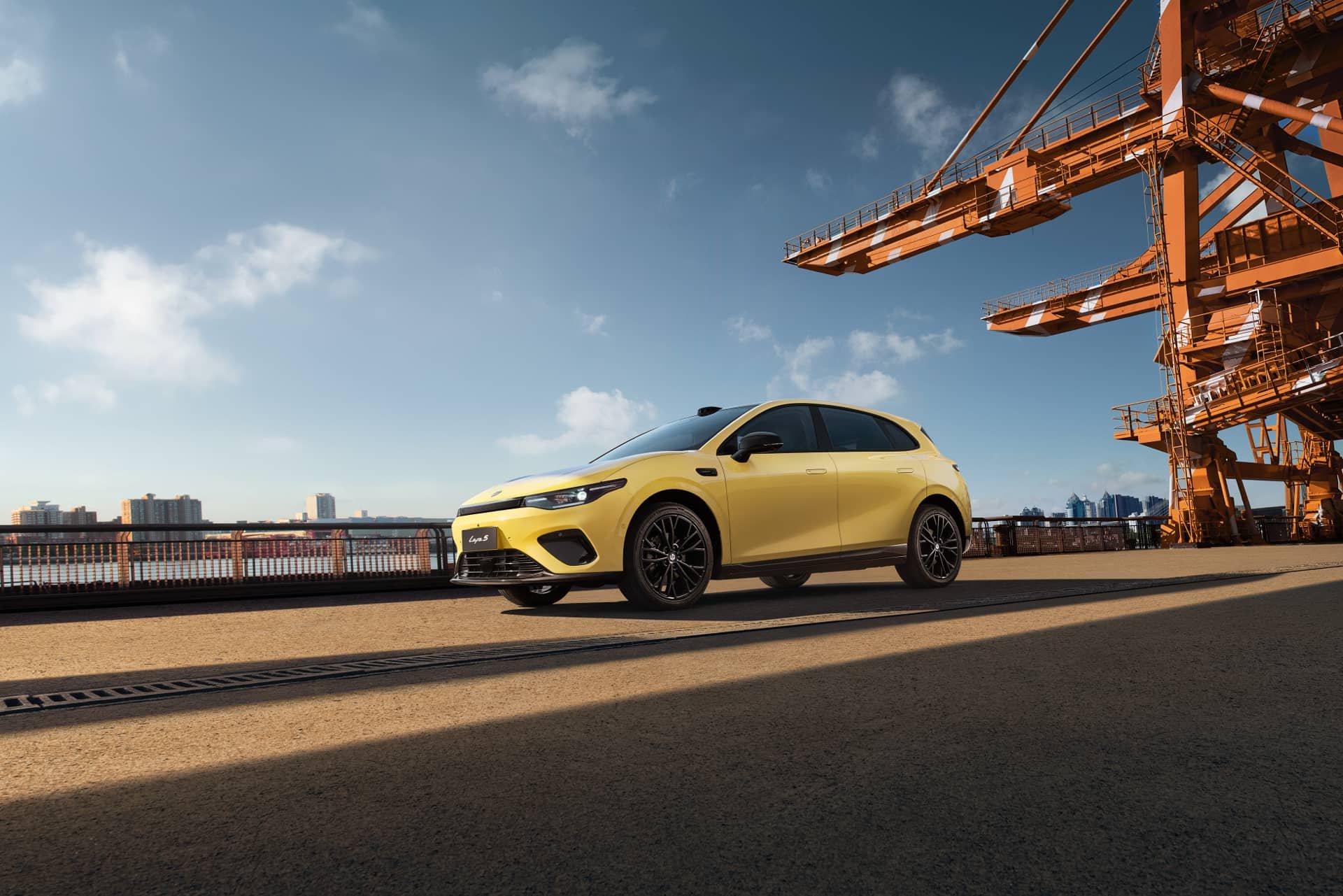
1. Price and positioning: the 100,000-yuan class is not just "commuter pure electric"
From the perspective of the price structure, the five models of the Lafa5 are divided fairly clearly:
515 Plus: 97,800 yuan / limited-time 92,800 yuan
515 Pro: 105,800 yuan / limited-time 100,800 yuan
515 Max: 115,800 yuan / limited-time 110,800 yuan
605 Pro: 111,800 yuan / limited-time 106,800 yuan
605 Max: 121,800 yuan / limited-time 116,800 yuan
Two ranges (515km, 605km) + three configuration tiers basically cover the mainstream budget segment from "basic commuting needs" to "wanting a bit of enjoyment."
More importantly, in the price range of just over 100,000 yuan, the Lafa5 no longer only fights with "cheap commuter pure electrics," but directly aims its guns at gasoline compact family sedans at the same price, as well as some entry-level joint-venture cars.
If early Zero Run relied on a "price hammer," then the Lafa5 is more like a "test of system strength":
architecture upgrades, cockpit upgrades, scaled-up intelligent driving, and battery technology brought forward, all piled into an A-segment sedan. It is clear that it is not just here to fill a gap, but wants to set a new benchmark in the 100,000-yuan class of pure electrics.
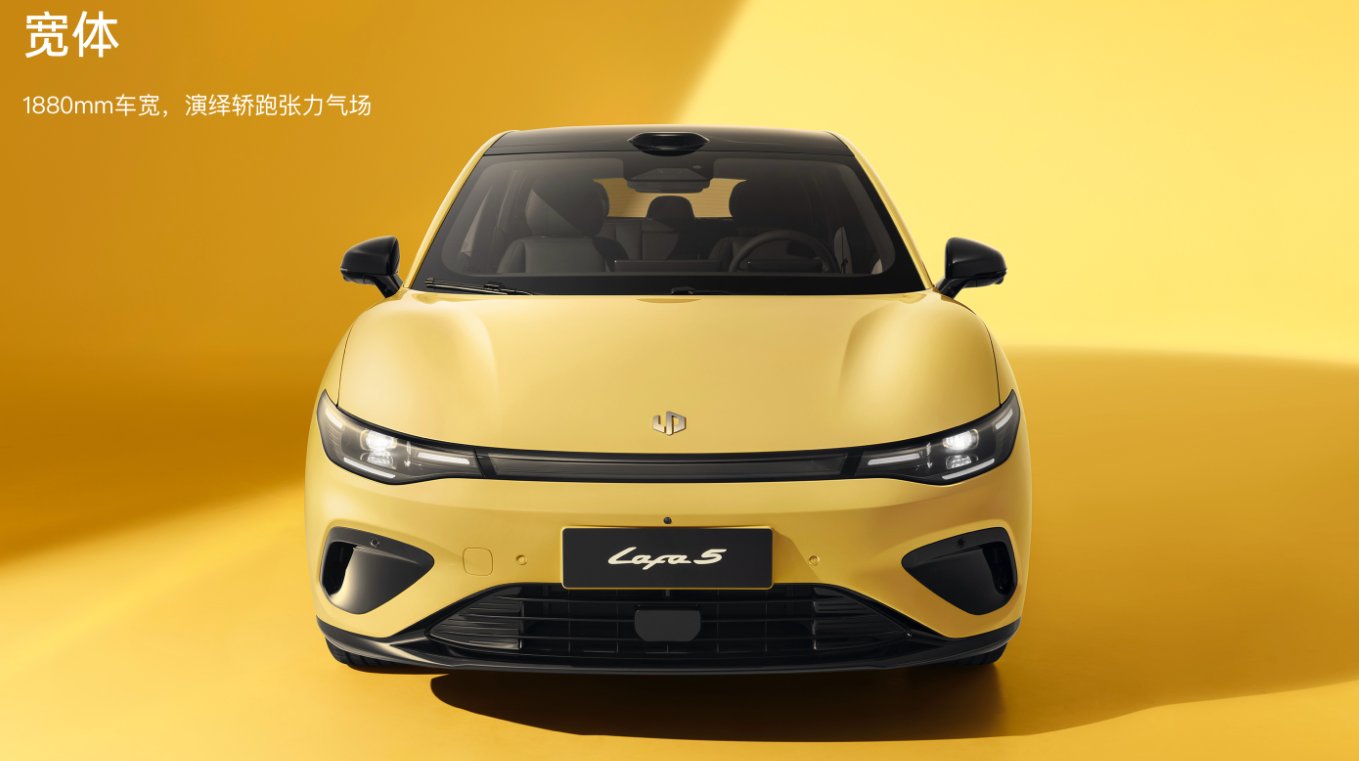
2. Design: wide-body low stance + frameless doors, visual presence no longer "grocery-getter"
The styling approach of the Lafa5 is very simple:
it wants to make sure that in a parking lot, at a glance, you cannot tell that it "only sells for just over 100,000."
The front face adopts a closed design, but it does not take the route of a "goofy round face." Instead, it uses slender intermittent daytime running lights + AGS active grille + a black sporty front lip to create a coupe-like atmosphere. The muscular lines raised on the hood, plus the slightly protruding front bumper, press the visual center of gravity down quite well.
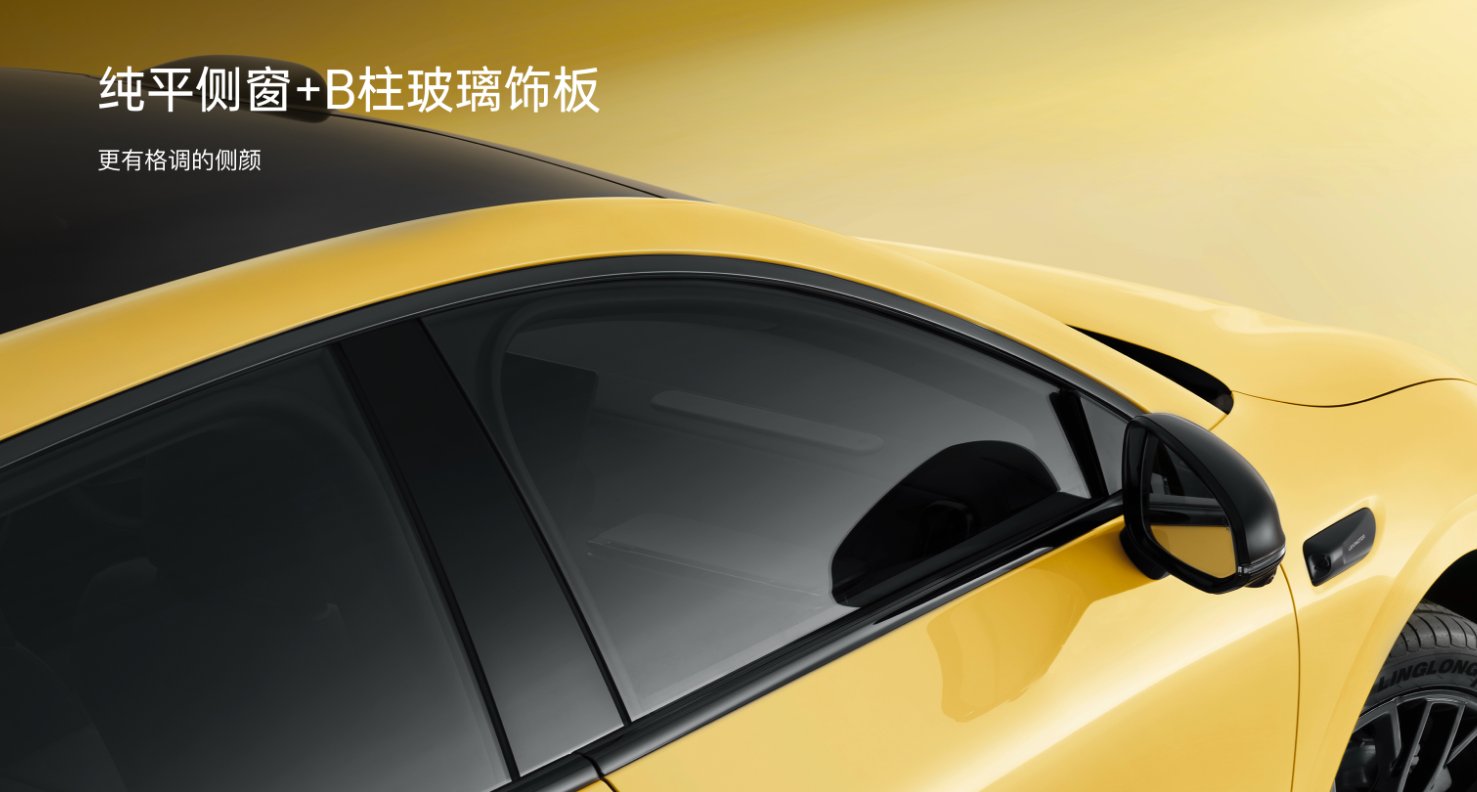
The side is where the whole car's spirit lies:
frameless doors + hidden door handles + high-gloss black B-pillars
19-inch swept-wing sport wheels
a low stance with a width-to-height ratio of 1.237
In terms of dimensions, the Lafa5 measures 4430×1880×1520mm, with a wheelbase of 2735mm.
A body width of 1880mm paired with a not particularly tall body gives a "compact + wide-body" impression—this gives it a very strong presence in front of joint-venture gasoline sedans in the same class.
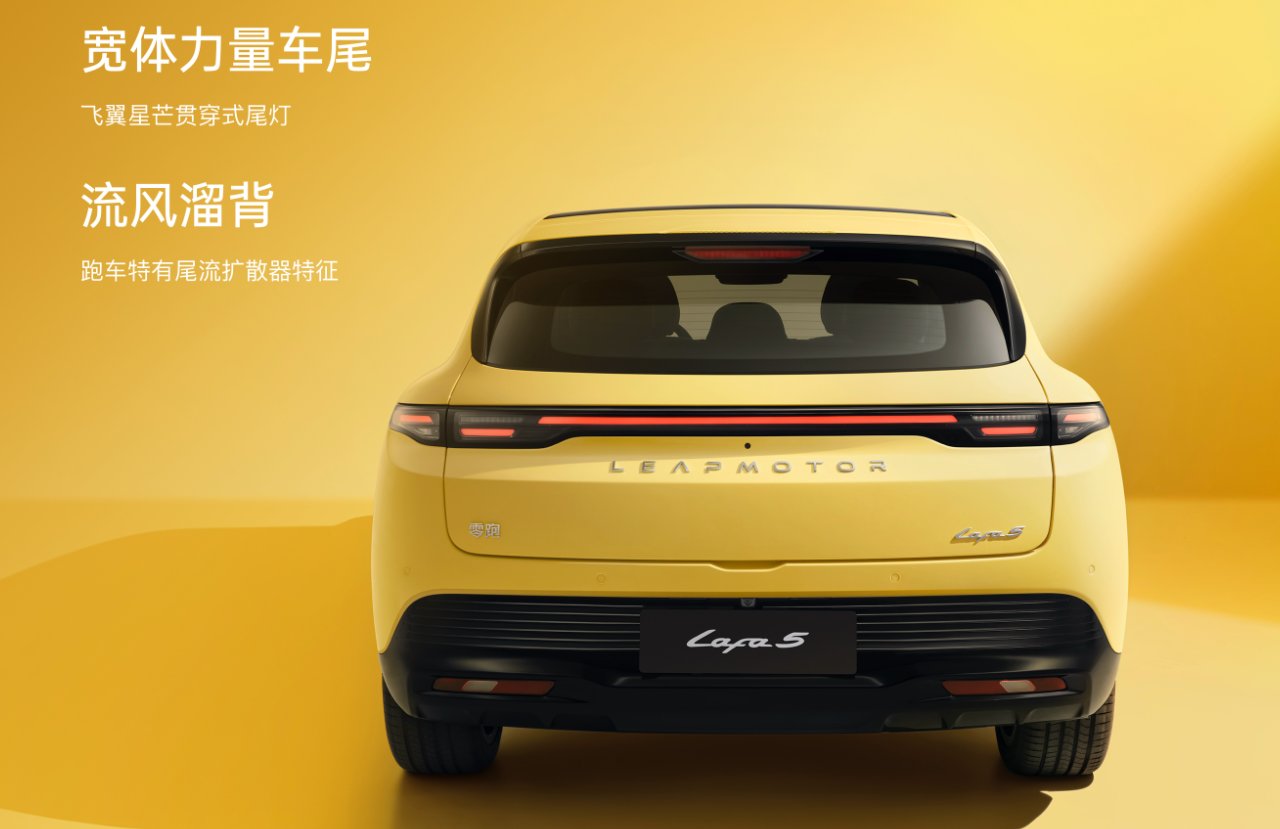
The rear adopts a minimalist route, with taillights connected in a strip and a small sloping rear spoiler echoing each other. The rear bumper uses a large area of bright black trim, plus a shape similar to a rear diffuser, allowing it to find a fairly suitable balance between "family sedan" and "coupe": you can tell it wants to show off, but not to the point of being too flashy.
In terms of body colors, the Lafa5 also provides enough "personality space":
two exclusive colors, Electric Yellow and Wind Gray
paired with Morgan Pink, Starry Night Blue, Galaxy Silver, and Metallic Black, for a total of 6 body colors
To put it simply: this is not a "car bought for family members to drive casually," but more like a positioning for young users to use themselves, with occasional family use on the side.
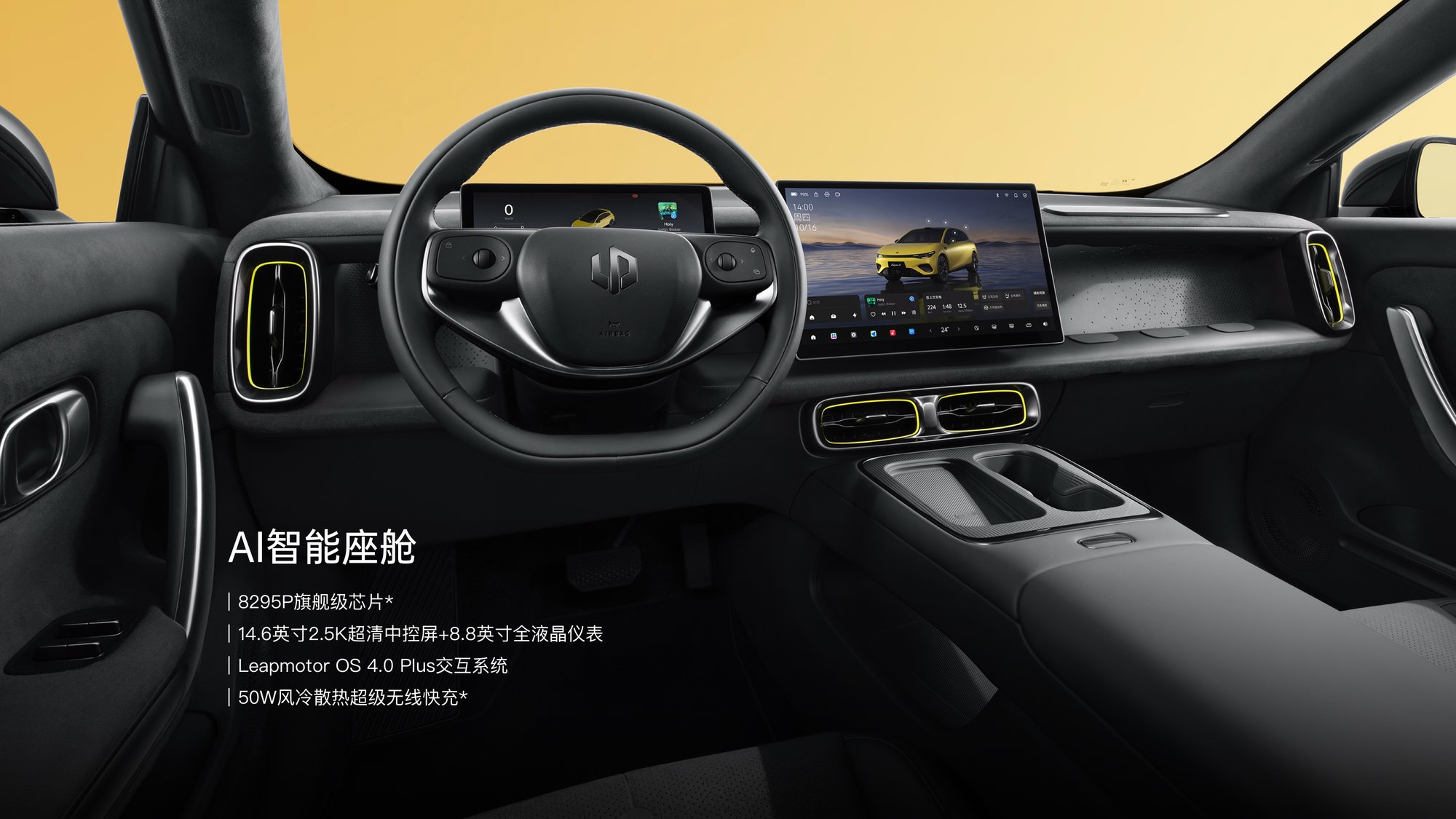
3. Interior and cockpit: 8295 + dual screens + dual large models, the 100,000-yuan class also wants to be "fun"
Sitting inside the car, you can clearly feel that the Lafa5 wants to raise both "tech feel" and "atmosphere" at the same time.
Three color schemes are offered:
Speed Domain Purple
Galloping Shadow Gray
Racing Gray
The overall layout follows a minimalist tech style. The center console has almost cleared away all redundant physical buttons, and the entire lineup comes standard with blackened matte gun-gray chrome trim, giving a much better texture than some early "hard plastic-style pure electrics."
The screen setup is the current mainstream combination:
14.6-inch 2.5K central control screen
8.8-inch full LCD instrument cluster
two-spoke flat-bottom steering wheel + column shifter design
The advantage of this arrangement is that, first, the front row looks more "premium and tidy," and second, the space below the center console can be carved out more openly, making storage and legroom more friendly.
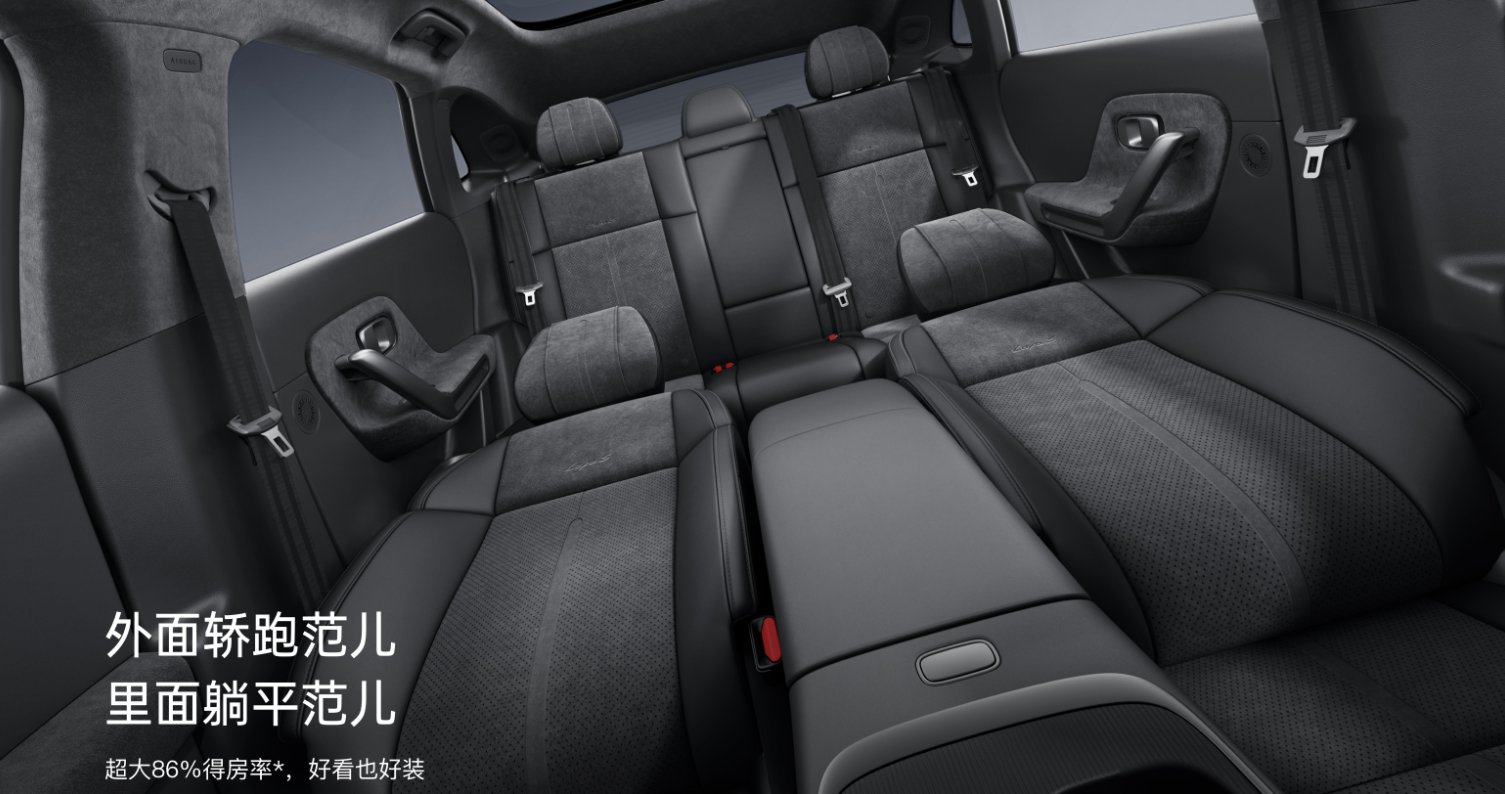
The seat details are not sloppy either:
the regular version uses "Tetris" perforated elements, with a bit of a gaming feel
the higher trim version gets genuine leather + suede track-texture seats, and the headliner is also embedded with a Lafa5 exclusive emblem, maxing out the sense of ceremony
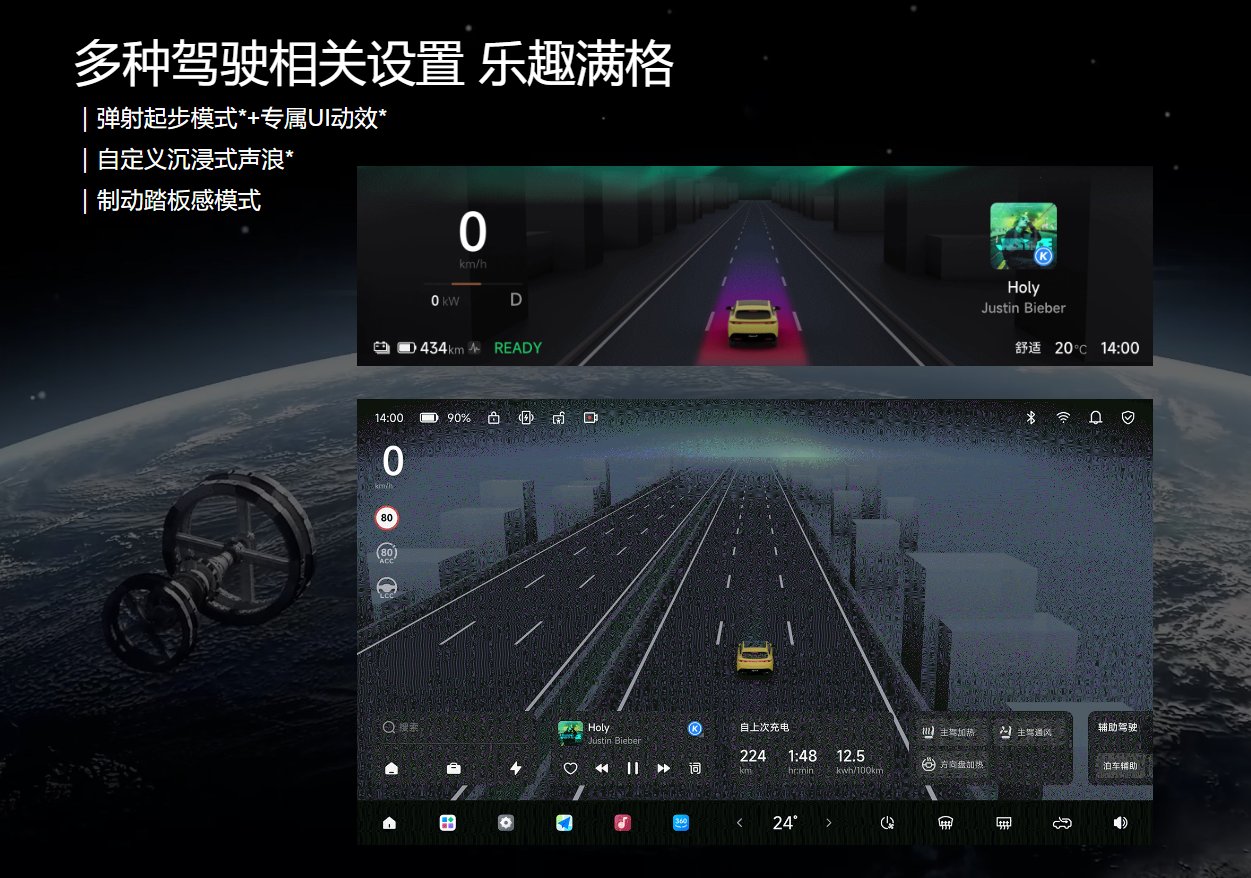
Intelligent interaction: not just able to connect to a phone, but treating the car as a "device"
The Lafa5 uses the Snapdragon 8295 chip + Leapmotor OS 4.0 Plus, and this combination is already at a relatively upper-middle level in the current new energy camp.
The functional highlights can be briefly listed in a few points:
3D dynamic desktop and smart split screen, so multitasking switching does not feel too "cramped"
dual AI large-model voice assistant, supporting dialect recognition and wake-free commands
"Zero Dynamic Space" scenario linkage: automatically adjusts interior lighting, air conditioning, etc. according to time/weather
"Dynamic Tag" Bluetooth shortcut control: commonly used operations can be reached through shorter paths
supports Huawei HiCar / Carlink, so the phone ecosystem is no longer an isolated island
In addition, with the standard 12-speaker audio system across the lineup, the official parameters given are:
bass transient enhancement of 50%, full-band clarity improvement of 80%, and vocal separation increased by 3 times.
Combined with wireless karaoke, three rhythmic ambient lighting modes, and a roof microphone + intelligent noise reduction, Zero Run is very clearly saying:
"This car is for you to play with, not just for commuting."
4. Space and functionality: wide-body body, also convincing for family use
Although the Lafa5 leans more toward a sporty coupe style in appearance, it has not given up its "family card" when it comes to space.
A 2735mm wheelbase + 1880mm body width is extremely friendly to rear lateral space
Front seats support large-angle power adjustment and can recline backward, offering practical value for lunch breaks and camping
The rear row is equipped with a central armrest and charging ports, so details for daily family scenarios are not missing
The area below the secondary instrument panel adopts a hollowed-out design, with multiple storage compartments convenient for storing daily odds and ends
Add in a panoramic glass roof, rear air vents, wireless phone charging, and external discharge—elements that are almost essential in today's "configuration arms race"—and the Lafa5 is actually trying to balance two roles:
"a toy for young people" and "a means of transportation for the whole family."
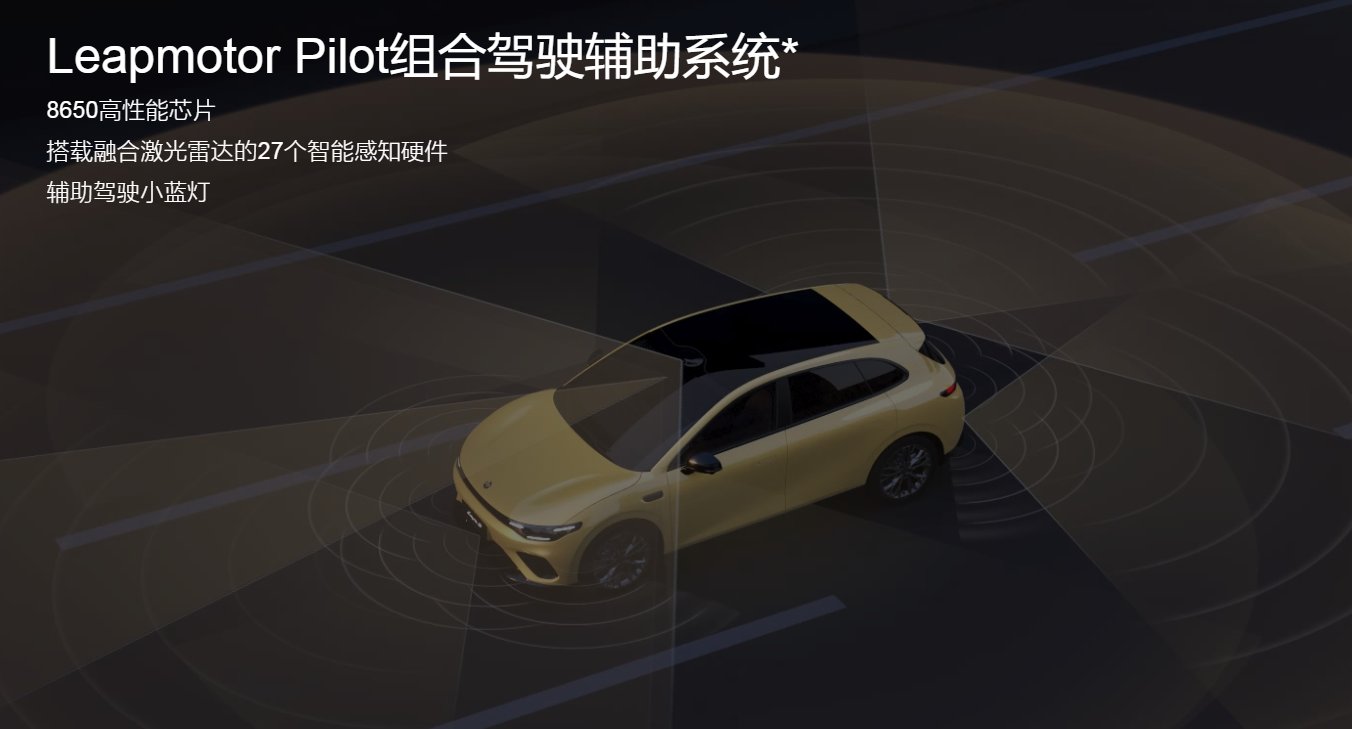
5. Intelligent driving and safety: lidar + Orin, urban NAC brought down to the 100,000-yuan class
Intelligent driving is one of the major highlights of the Lafa5—especially under the premise of price comparison.
The higher trim models are equipped with:
roof-mounted lidar
a total of 30 perception hardware units
NVIDIA DRIVE Orin chip, 254TOPS of computing power
With this hardware support, the Lafa5 can achieve urban NAC navigation-assisted cruising that does not rely on high-precision maps, including:
traffic light recognition
automatic turning
following and lane-change assistance in complex intersection scenarios, etc.
This means that in many cities, it does not need to wait for "maps to be opened all the way to your doorstep" before it can provide a certain degree of urban intelligent driving capability—for a car just over 100,000 yuan, this selling point is very direct.
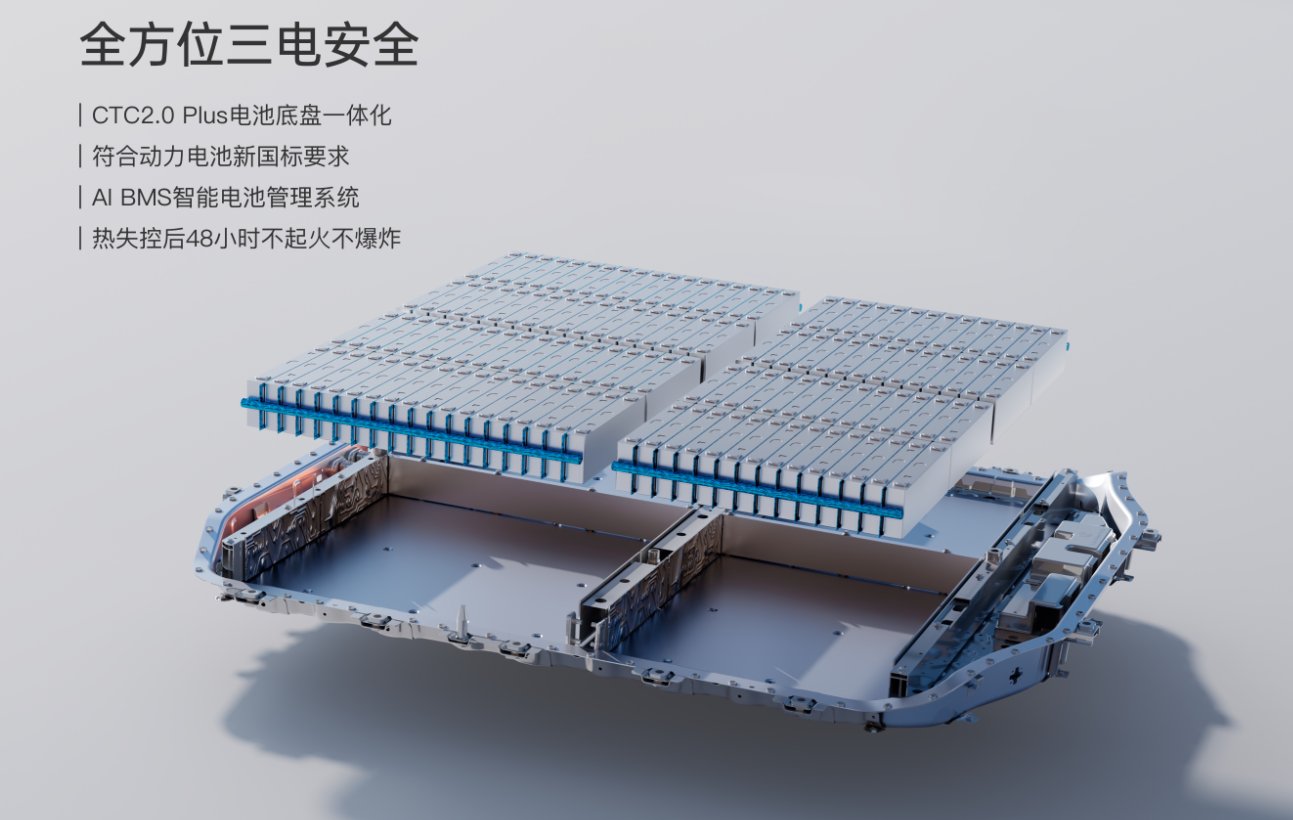
On the safety level, the Lafa5 adopts Zero Run's own CTC2.0 battery-chassis integration technology. The official statement given is **"720 minutes without thermal propagation,"** and through "zero-pressure" module-free stacking, it allows:
battery layout space increased by 17.5%
range efficiency improved by about 15%
Combined with the advantages of lithium iron phosphate batteries in safety and lifespan, the overall battery system leans more toward long-term stability rather than extreme performance stacking.
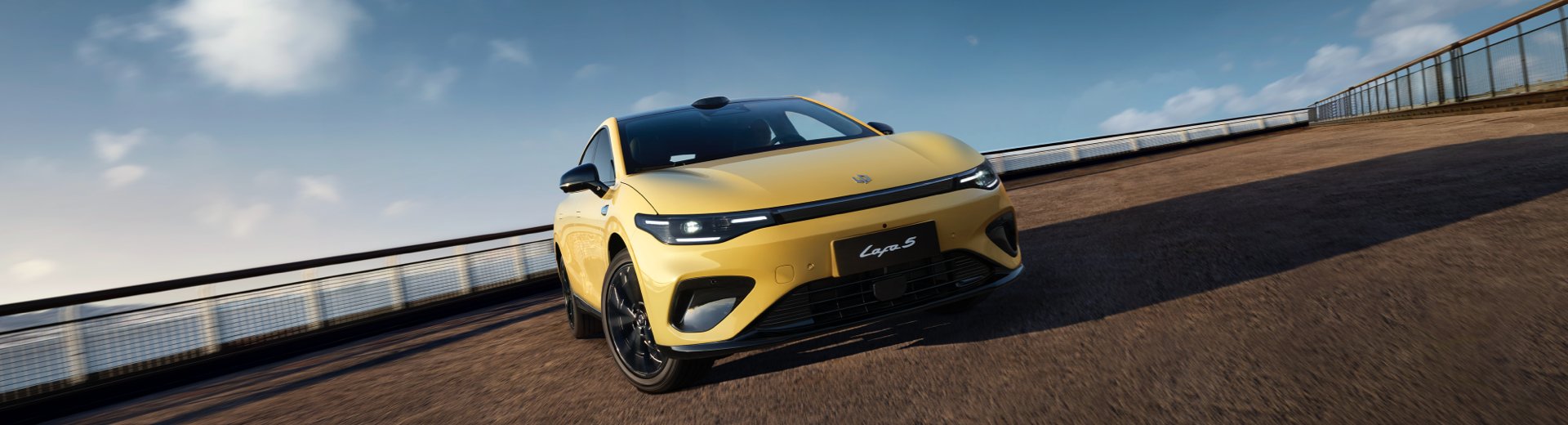
6. Power and replenishment: 160kW rear drive + 800V, 0-100 km/h in 6.8 seconds, 200km of range in 5 minutes
In terms of power, the Lafa5's character leans toward "a bit easier to drive, fast enough is fine":
maximum motor power 160kW
peak torque 360N·m
0-100km/h acceleration in 6.8 seconds
Plus a 50:50 front-to-rear weight distribution and a chassis tuned with the participation of Stellantis' European team, the official claim is that it can balance a certain amount of driving fun and daily comfort—this part still needs follow-up test drives to verify, but from the paper configuration, at least it is not the kind of character that "only cares about straight-line speed and ignores body roll."
The battery has two specifications:
56.2kWh: CLTC 515km
67.1kWh: CLTC 605km
More importantly, the Lafa5 comes standard across the lineup with an 800V high-voltage architecture—this is very rare among 100,000-yuan-class products.
The official data is:
200km of range in 5 minutes
from 10% to 80% in 15 minutes
winter range retention rate of 85%
For users who frequently travel between cities and are relatively sensitive to replenishment efficiency, the actual experiential value of this item will be far greater than parameter stacking.
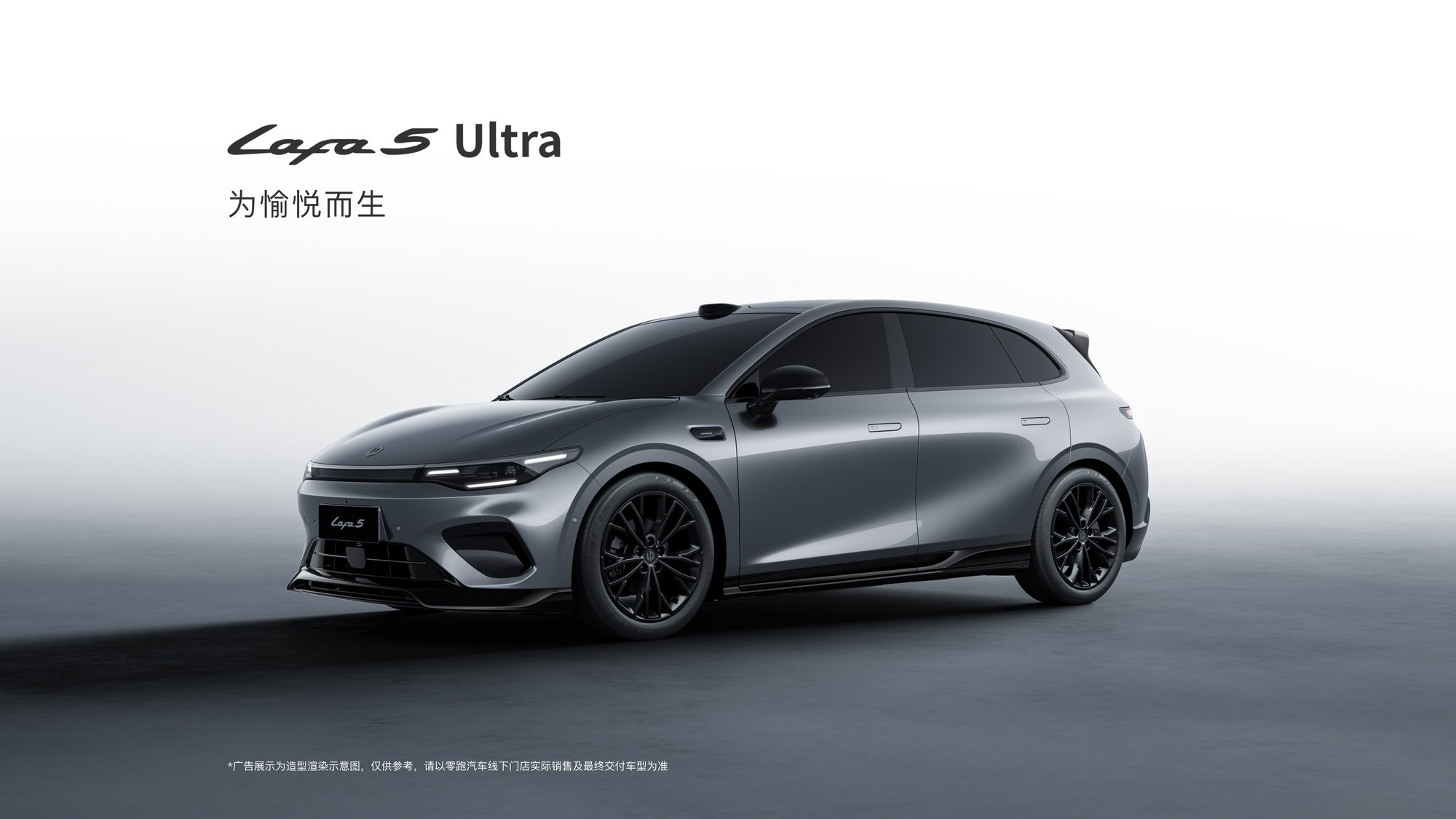
7. Final thoughts: what the Lafa5 really aims to disrupt is "how much should be given at the 100,000-yuan class"
If you cover up the price of the Lafa5's specification sheet and only look at the architecture, chip, intelligent driving, and battery technology, it is hard to immediately associate it with the "100,000-yuan class."
But Zero Run this time is clearly doing it intentionally:
through the LEAP 3.5 architecture B platform, it crams 800V, CTC2.0, 8295, and Orin + lidar—these "new-generation keywords"—all into an A-segment car;
through a starting price of 97,800 yuan and a limited-time price of 92,800 yuan, it once again reminds its rivals: "The 100,000-yuan class should not only be regarded as the commuter-car tier."
Of course, rationally speaking, the Lafa5 is not without shortcomings—
brand momentum is still in a growth stage, and channel density, service reputation, and long-term residual value will not automatically be filled in on the day a car is launched. But from the perspective of the product itself, it indeed pushes the "configuration ceiling" of 100,000-yuan-class pure electrics up another notch.
For users, the question is no longer "can you buy a pure electric for 100,000 yuan," but:
within the same budget, are you still willing to pay for a higher-level tech stack, intelligent driving, and cockpit experience?
The Zero Run Lafa5 is clearly the contender that has first laid its cards on the table.


