When the City Starts Needing a "Gentle EV" — Written on the Eve of the Ora 5's Presale
In an era that casually throws around "0-100 in three seconds" and "2,000 kilometers on one tank," when we talk about cars, it increasingly feels like we're talking about an "efficiency tool": faster, cheaper, smarter.
But sometimes, I also wonder—
When a young person, a small family, is choosing an EV priced just over 100,000 yuan for themselves, is what they truly want really just "specsheet superiority"?
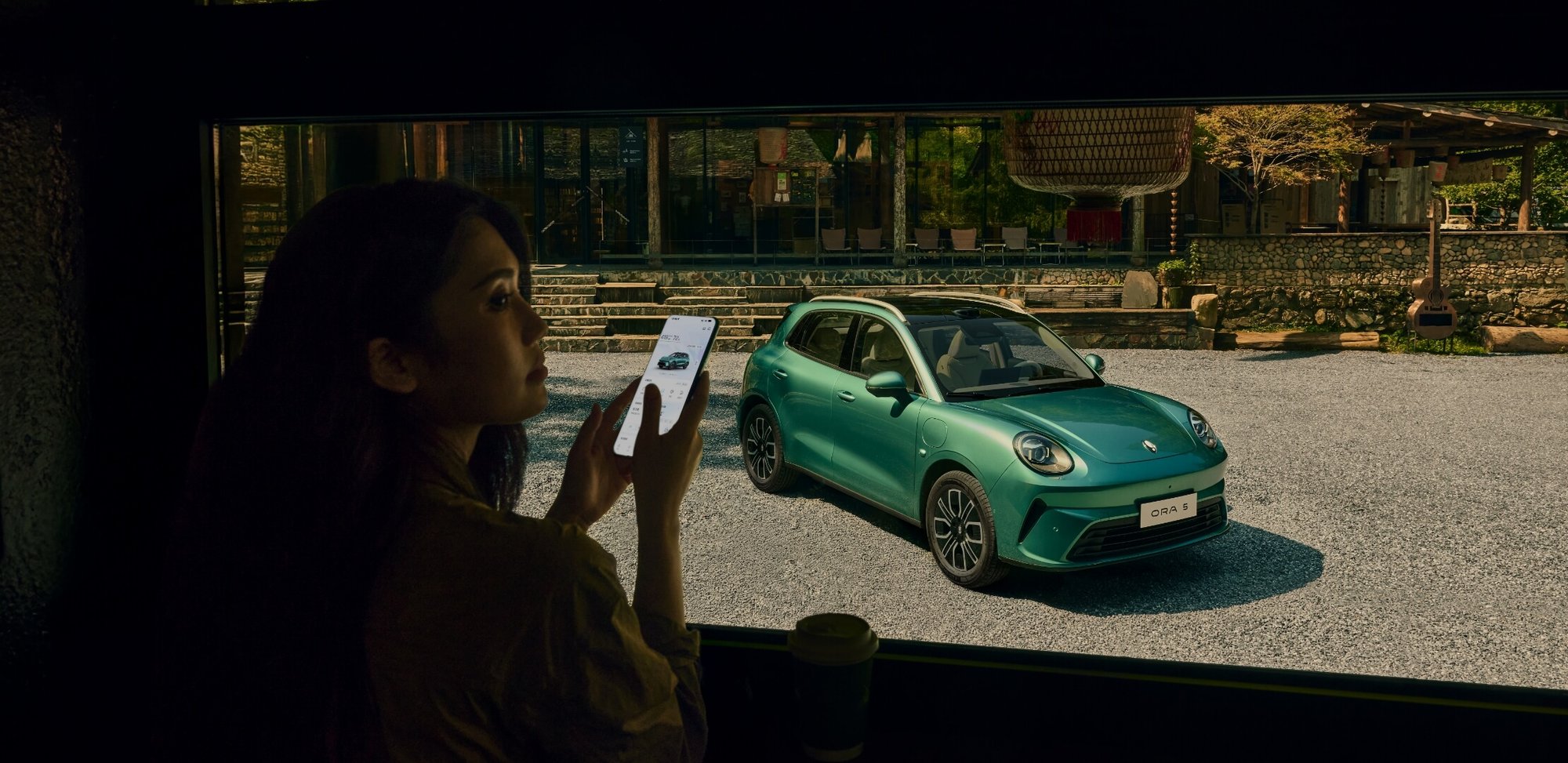
On November 12, the Ora 5 opened for presale:
480km Air version: 109,800 yuan
480km Pro version: 119,800 yuan
580km Max version: 129,800 yuan
480km LiDAR version: 132,800 yuan
580km LiDAR version: 142,800 yuan
On the surface, it's just a compact pure electric SUV with a 2,720mm wheelbase and 4,471mm length, 480km and 580km range options, a 150kW motor, lithium iron phosphate short-blade battery, third-generation Coffee OS, Coffee Pilot Ultra, high-level NOA... everything conforms to "the rules of the new energy industry."
But if you set the "spec sheet" aside, you'll find that the Ora 5 carries a temperament that runs slightly "counter" to this era.
1. Why Have We Started Liking "Rounded Cars"?
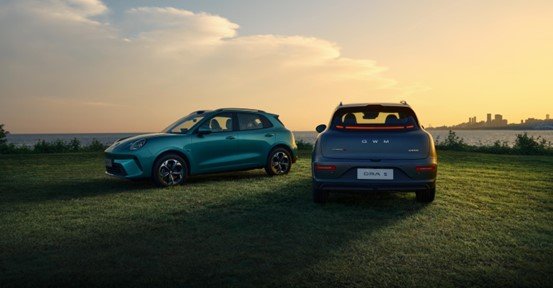
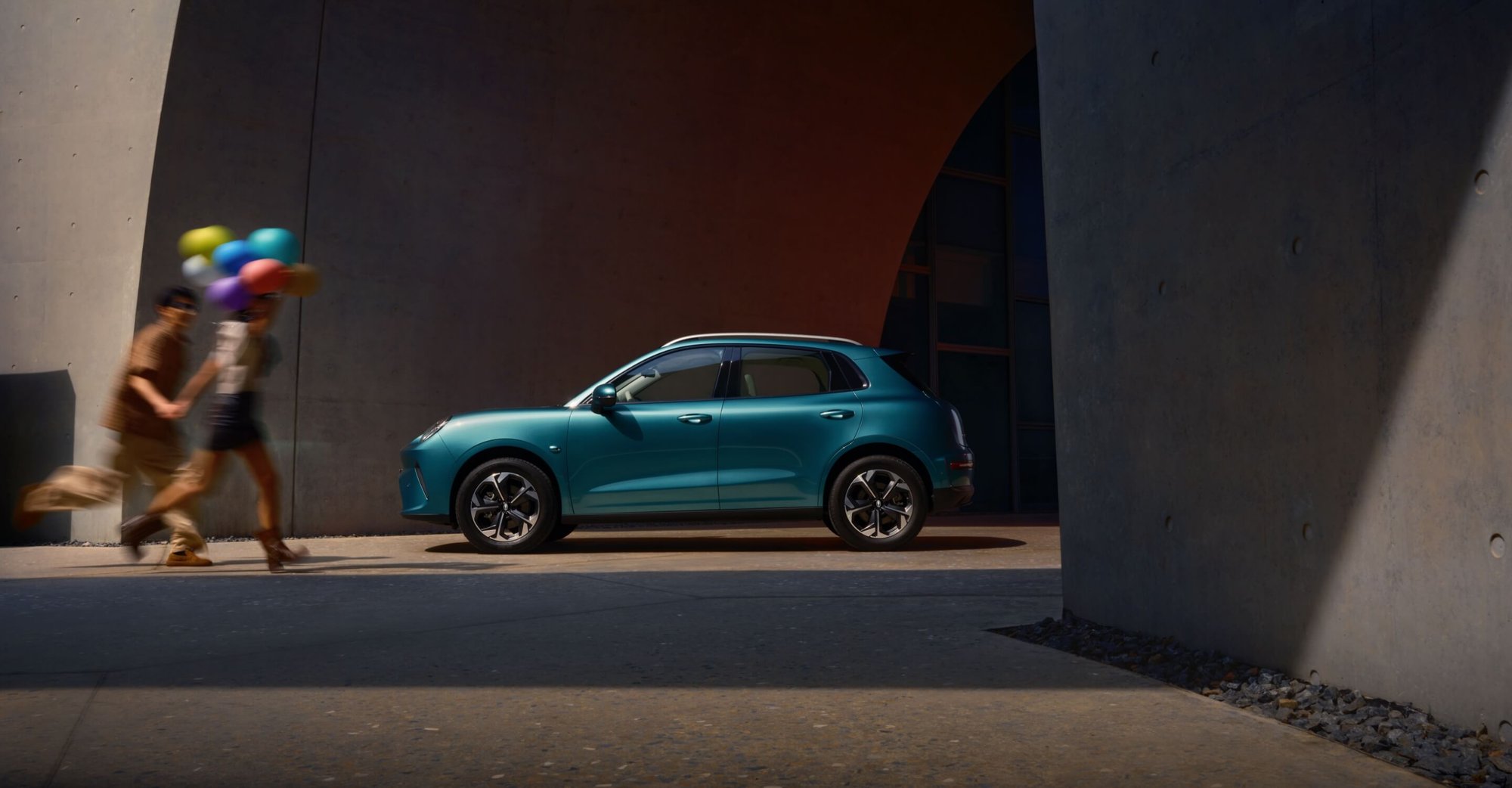
At first glance, it's hard to place the Ora 5 in the same category as those new energy SUVs full of creases, sharp angles, and mecha vibes.
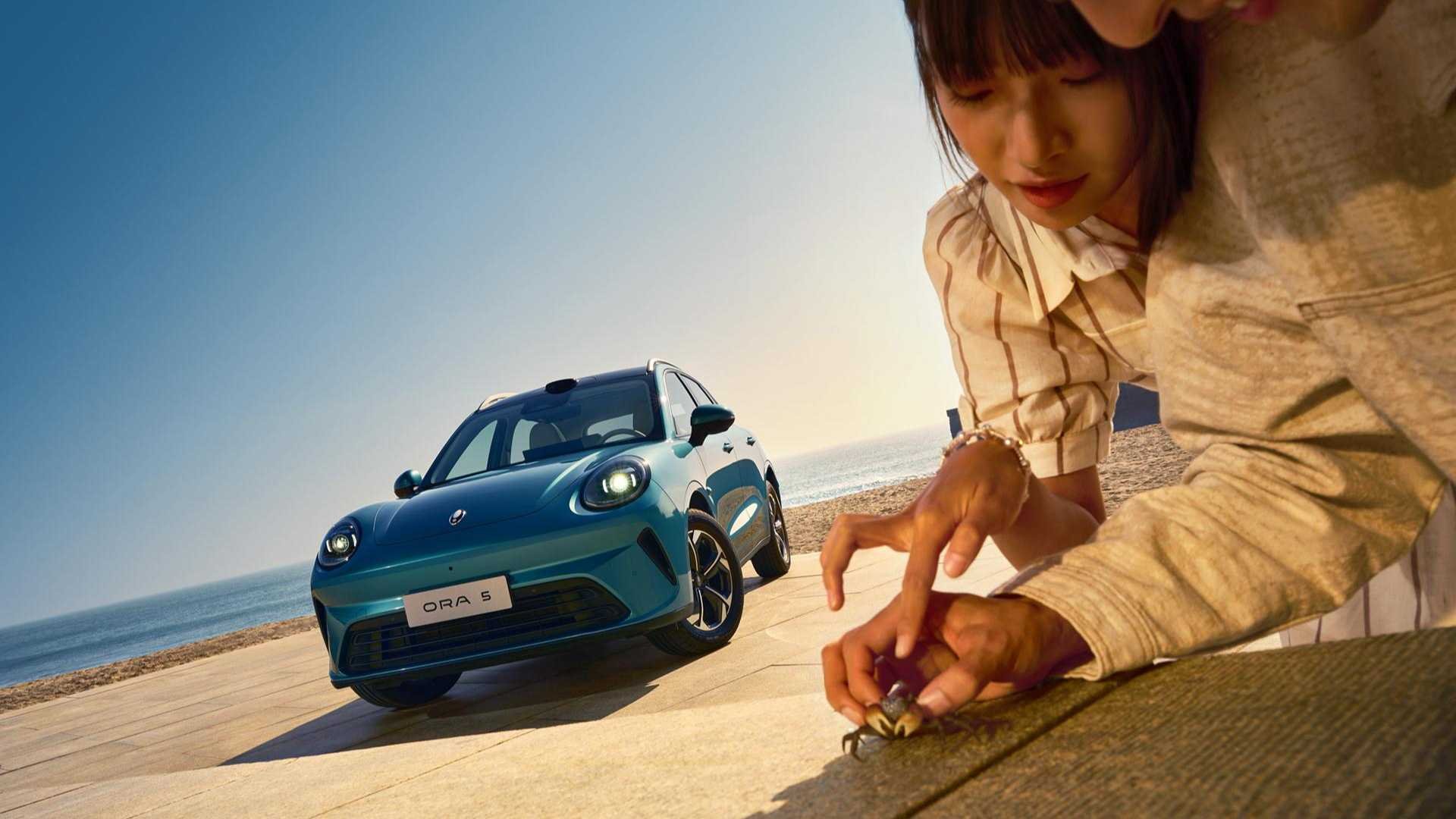
It's round:
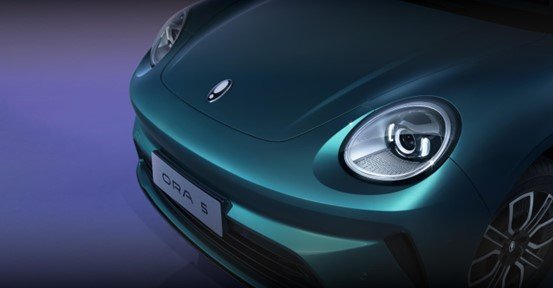
The headlights have an oval retro shape;
The body is full of plump curves;
The tailgate is a single large curved surface;
Even the "big mouth" lower grille on the front face looks more like it's smiling at you.
Many would say this is Ora's consistent "cute style," its "Good Cat flavor"—and that's right. But in a sense, it's also a gentle rebellion against this era—
As city buildings grow taller, roads more crowded, and the pace faster, people instead begin to yearn for a kind of companionship that is "not so sharp."
You squeeze onto the subway, race traffic lights, and grind through workplace KPIs every day, your phone full of push notifications and to-dos.
When you walk into the parking lot and press the key fob, in that moment you don't need a "fighter jet"—you need an emotional buffer zone—
A space that won't use "aggression" to remind you to keep fighting.
The Ora 5's rounded, retro, slightly cartoonish styling does exactly that—it pulls the car back from being a "weapon" to being a "daily necessity" and "emotional furniture."
In what seems like an unimportant aesthetic choice, there actually hides a question: how do you want to be treated by this city?
2. Beneath the Panoramic Glass Roof, Who Is Watching the Sky with You?
The Ora 5 comes standard across all trims with a panoramic glass roof—a detail easily written into a spec sheet yet often overlooked.
For engineers, the glass roof is a combined calculation of glass area, insulation coefficient, and body rigidity;
For the more philosophically inclined, it's a question of whether a car is willing to admit that "you're not driving alone."
Young couples sitting in the back with their children, elderly parents occasionally riding along to a doctor's visit or the mall, giving a colleague a lift home after overtime...
In these scenarios, that patch of transparent sky on the roof is actually space reserved for "relationships":
A child will ask you one evening, "Why is part of the sky pink?"
Your partner will point at a cloud during a traffic jam: "Doesn't that one look like a dog?"
Mom and Dad sit in the back, saying nothing, but with distant buildings, nearby lights, and the sky overhead in their line of sight, they won't just be staring at the back of your head.
When we define a car as a "transport tool," we rarely think of these things.
But for many ordinary families, the moments in a year when the whole family truly sits together quietly, without staring at phones, might just happen to be—inside the car.
The panoramic glass roof isn't just about "good lighting"—it brings "the world" back into the cabin, so that every trip doesn't entirely become a "task from point A to point B."
3. Intelligent Driving: Not About Being Lazy, But About Daring to Admit You Get Tired
The Ora 5's biggest "hardcore" feature this generation isn't in its exterior, but in its third-generation Coffee OS + Coffee Pilot Ultra suite.
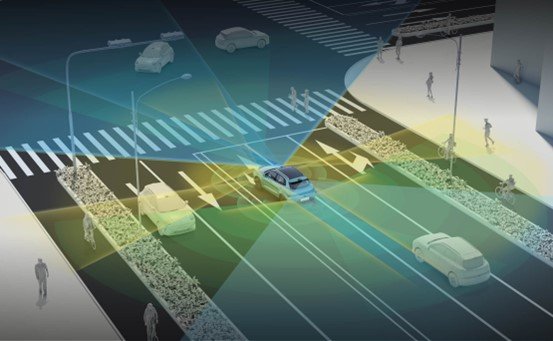
LiDAR-assisted, 27 perception hardware units, full-scenario NOA that doesn't rely on high-precision maps, 200+ parking scenarios, cross-floor memory parking...
In marketing speak, it's "bringing high-level intelligent driving to a price ordinary people can afford at the 100,000-yuan level."
But if we set aside the buzzwords and flip the question around:
Why do we need a car that can drive itself?
Not to "completely check out," not to show off, and certainly not to become slaves to technology.
For the vast majority of ordinary people, the reason is actually simple: because we are overdrafting our "attention" every single day.
Your morning commute:
Scrolling through messages on the subway;
Meetings, replying to messages, rushing reports, filling out forms at your desk;
Then squeezing onto a bus home at night, still thinking about KPIs, your kid's homework, your parents' health.
When you sit down in the car, the last thing you should be asked to do is "stay highly tense for another hour";
But the reality is that the complexity of urban traffic is rising sharply—EVs accelerate fast, delivery riders cut across, pedestrians look down at their phones, food delivery bikes go the wrong way, road conditions change constantly.
Against this backdrop, a car like the Ora 5 handing over some of the repetitive, mechanical, high-load driving tasks to algorithms and sensors isn't about "driving people out of the driver's seat," but about allowing you, on certain stretches of road, to admit that you get tired.
Of course, people can't rely entirely on the system, and the system is absolutely not perfect. But from a humanistic perspective, this Coffee Pilot Ultra represents a turning point:
The car is no longer just an object that "demands your focus"—it's also beginning to learn to "care for your exhaustion" within its capabilities.
4. Range and Battery: Anxiety Isn't Actually Caused by the Battery
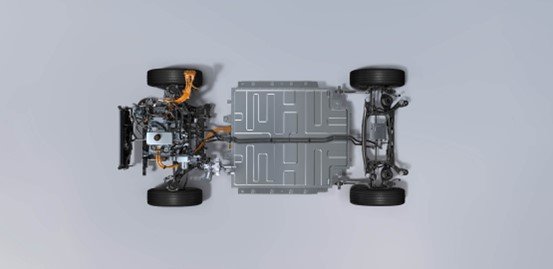
The Ora 5 offers two Honeycomb Energy lithium iron phosphate short-blade batteries—45.3kWh and 58.3kWh—corresponding to 480km and 580km of range, with a drive motor producing a maximum of 150kW.
Many people's first reaction upon seeing the specs is: "Is 480 enough?" "Isn't 580 safer?"
This is perfectly normal, because "range anxiety" long ago shifted from being a technical problem to a modern urban psychology.
You'll feel anxious about your phone being at 20% battery, about working until 11 p.m., about tomorrow's meeting, about your child's grades—
Over time, you begin to instinctively distrust "any reserve that isn't large enough."
But if you think calmly:
For a typical urban user, a one-way commute of 20km or 30km is already considered far, and genuinely driving more than 300km in a week is actually rare.
What really causes anxiety is often not "the battery's maximum capability," but not knowing when you can have "certainty":
Aimlessly searching for charging stations;
Discovering a queue at the charging station when you're in a hurry;
Seeing only gray icons on your phone map, with no sense of security.
From this perspective, the Ora 5 offering two range versions is actually providing different comfort to people with different "levels of anxiety":
The relatively rational person will calculate their commute and weekend trips, and the 480km version will do;
The person who needs more psychological security will choose 580km—not because they drive 500km every day, but because they know that "if anything happens, there's margin."
And adopting the lithium iron phosphate short-blade battery is a pragmatic balance among safety, lifespan, and cost.
It doesn't "overturn the world" like some exaggerated marketing claims—it simply tells you: this is a battery that won't surprise you, and tries its best not to scare you.
5. Brake-by-Wire, Fabric Interior: Behind the Technology, It's All About "How to Treat Passengers"
The Ora 5 is equipped with a brake-by-wire system from Feige Technology EAi.
It sounds very technical, but in terms of experience it comes down to two things:
First, energy recuperation and braking force are more precisely controlled, so the pedal feel doesn't suddenly go soft or hard;
Second, it provides a smoother, more predictable braking foundation for high-level intelligent driving—when the car brakes on its own, you won't be rocked into dizziness.
Behind this is actually a very simple proposition:
How does a car treat "the people it rocks back and forth"?
The same thinking is reflected in the interior.
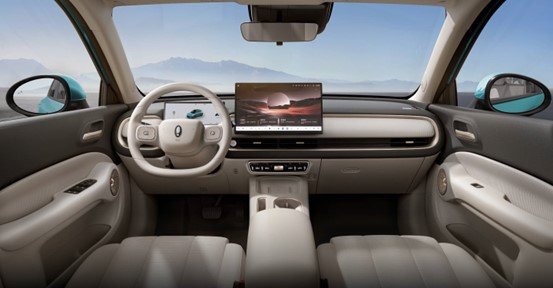
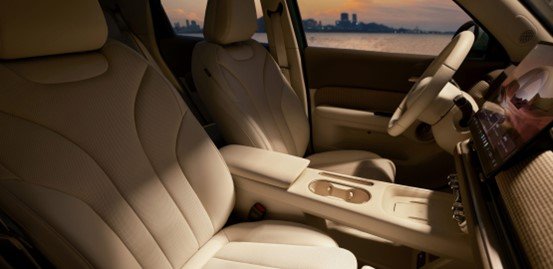
The Ora 5's center console and door panels extensively use woven mesh fabric materials, rather than large areas of cheap shiny hard plastic or piano black trim.
It's soft to the touch and warm visually, more like the fabric sofa or carpet in your home.
When you've spent all day being reflected by glass curtain walls in an office tower, and dazzled by advertising screens on the subway, that piece of soft fabric in the car feels like a "stress-relief pad."
The floating center touchscreen, column-mounted shifter, floating center console, wireless charging—these are all "standard talking points" of modern EVs;
What truly has warmth is the choices the brand makes in the details: showing off tech vibes, or prioritizing making people sit comfortably.
6. Who Needs an Ora 5?
If we erase all the specs and look only at "temperament" and "functional direction," I'd imagine the typical Ora 5 owner this way:
Working in a major city or a new first-tier city,
Salary not particularly high, but with expectations for life,
Possibly a couple who just started a family, or a young mother with a child,
They need a car that:
Takes the kid to school in the morning, then themselves to work;
Picks up the parents for dinner in the evening;
Goes camping in the suburbs or to the mall on weekends.
For them, a car isn't a status symbol, isn't a track toy, isn't a "plaything" for showing off.
It's more like a "small living room" on wheels: a place to chat, to space out, to let the kid fall asleep quietly in the back seat.
In this sense, the Ora 5's value isn't in "how competitive a 100,000-yuan-level LiDAR is,"
But in the fact that it lets you, in an era filled with speed, efficiency, and KPIs,
Still have the courage to choose a car that is "rounded, gentle, and caring."
Epilogue: Tomorrow Morning, What Will You Say When You Get in the Car?
Maybe one day, you'll order one of the Ora 5 trims on the presale page:
480km Air, 109,800 yuan, very pragmatic;
580km Max, 129,800 yuan, more reassuring;
Or you grit your teeth and choose a "LiDAR version," wanting to experience the freshness that NOA brings.
But the truly important moment isn't the day you sign the contract—it's on some ordinary morning—
You help your child into the back seat and buckle their seatbelt;
Your partner sits in the passenger seat, doing makeup while telling you about today's meeting;
You press the start button, the screen lights up, and the city is still urging you to hurry.
And you, suddenly remember a simple question:
"I'm not just buying a car—I'm choosing, for myself and my family, a way of moving through this era."
If this sentence resonates softly in your heart, then the Ora 5,
May have already gone beyond being a product, and come closer to being a—
A little philosophy about "how to still live gently in a high-pressure era."