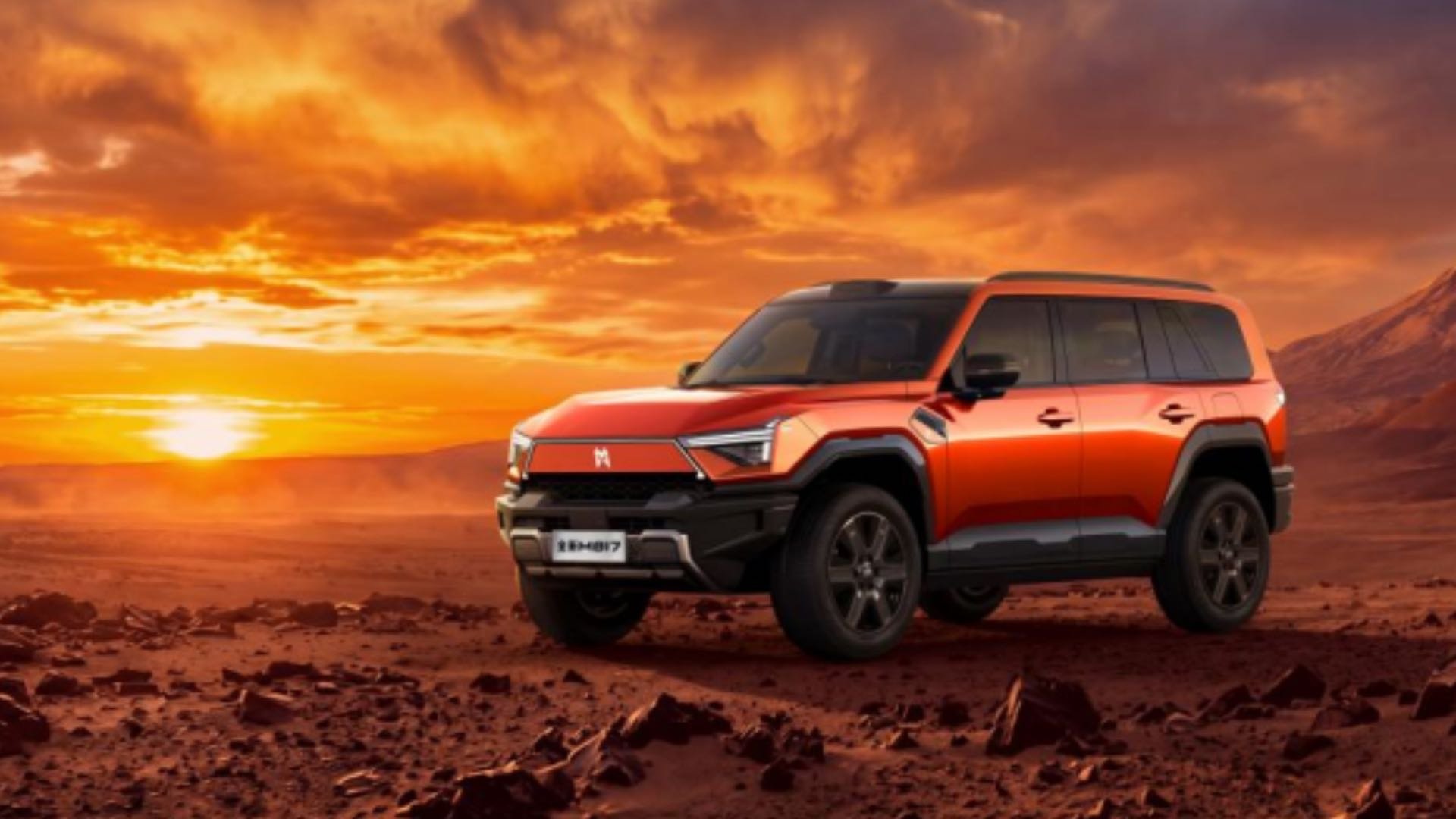
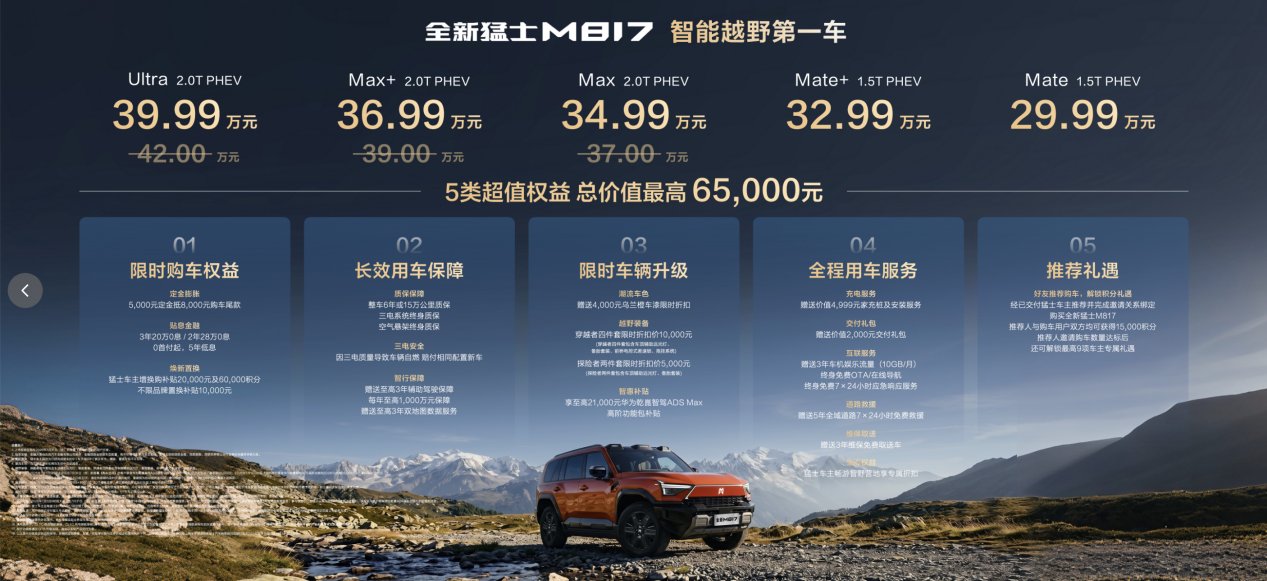
The all-new M-Hero M817 officially launched on June 27, with an official guide price of 299,900 to 399,900 yuan, offering five configuration versions: Mate, Mate+, Max, Max+, and Ultra. During the launch period, reservations can enjoy exclusive benefits worth up to 65,000 yuan in total, including deposit deduction, financial plans, and trade-in/upgrade subsidies.
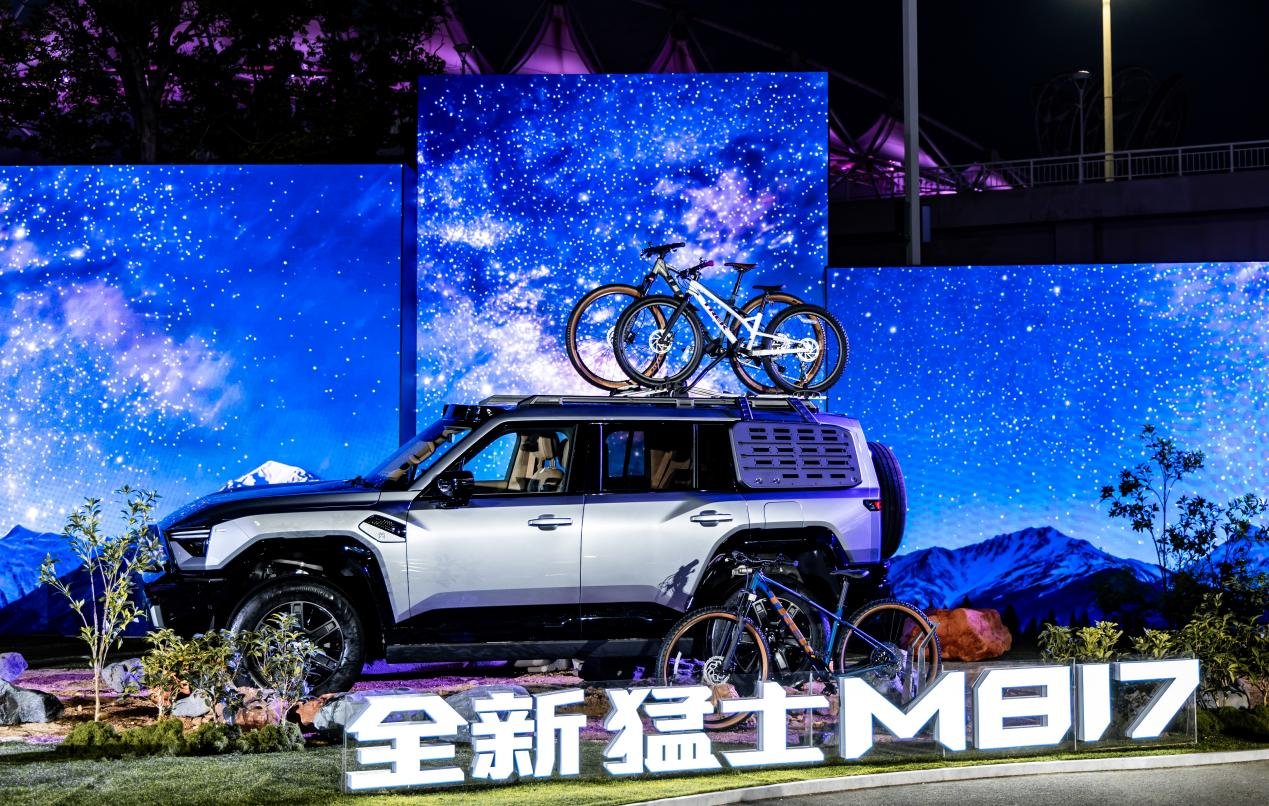
The most noteworthy aspect of this car is that it attempts to break the long-standing "impossible triangle" in the hardcore off-road market—where off-road performance, intelligent technology, and comfort experience are difficult to achieve simultaneously. The M817's solution is straightforward: use a military-grade foundation proven in competition to secure the off-road baseline, and use Huawei's full-stack intelligence to raise the upper limit of the experience.
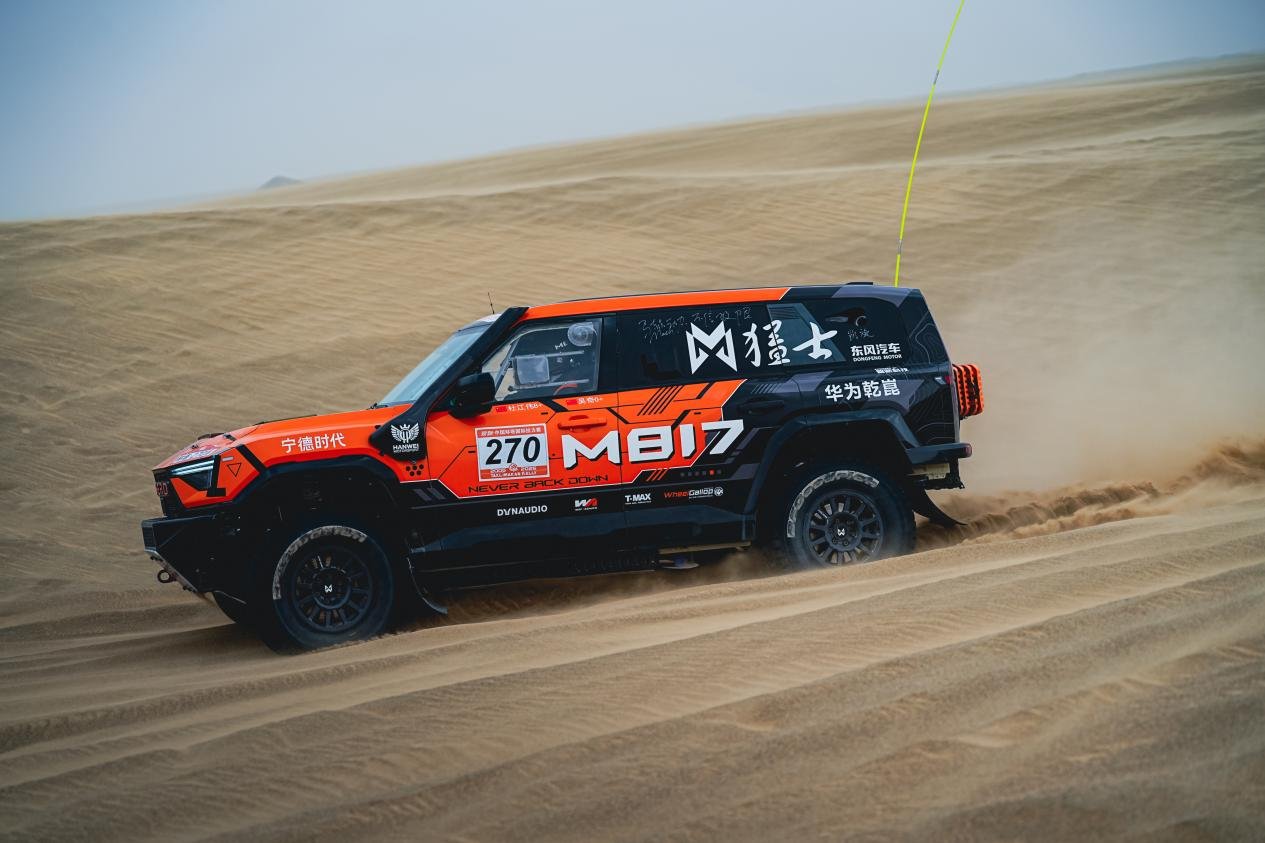
The confidence in off-road performance comes from competition validation. The factory racing vehicle built on the M817's core technology platform just won two championships and one runner-up in the new energy production class at the 2026 Taklimakan Rally, becoming the only team to achieve 100% completion in the SS5 and SS6 "double devil stages."
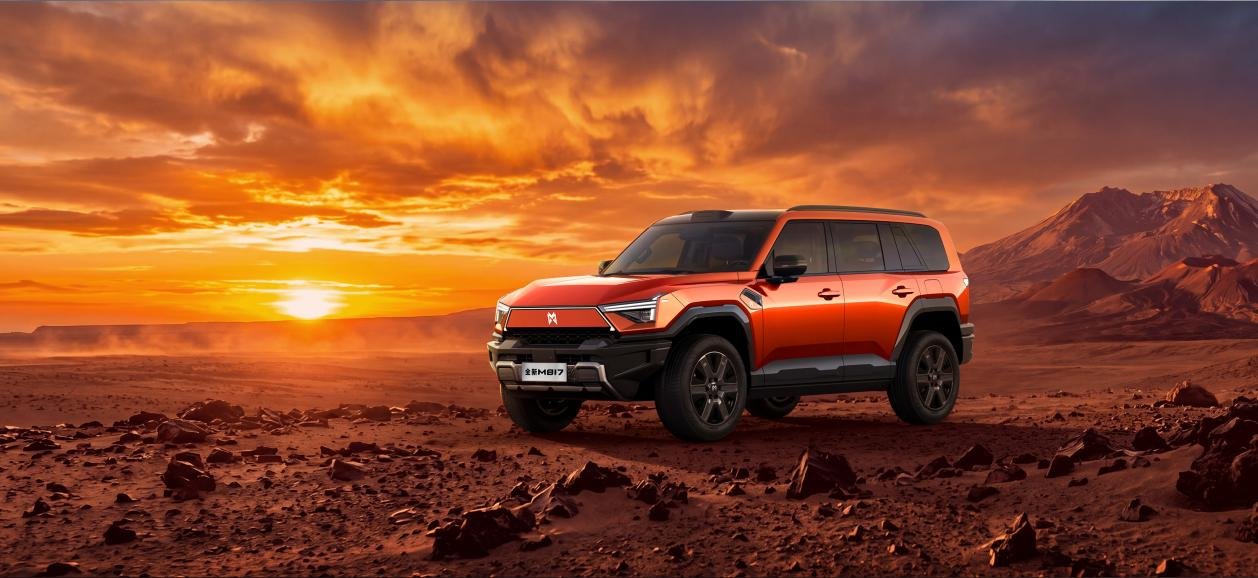
The production car's 2.0T hybrid system has a combined power output of 715kW, and can maintain a speed of 161km/h under low battery conditions, solving the common pain point of weak power under low battery in new energy off-road vehicles. The 800V platform paired with 6C ultra-fast charging allows 30%-80% charging in under 10 minutes, with a CLTC combined range of 1,450km, essentially eliminating range anxiety for long-distance travel.
Intelligence is the key to differentiating it from traditional off-road vehicles. The M817 is the industry's first hardcore off-road vehicle to feature Huawei Qiankun ADS 5 advanced driving system across all trim levels, and debuts an 896-line lidar, capable of stably identifying obstacles 14 centimeters high from 120 meters away. The off-road version NCA extends intelligent driving scenarios from urban paved roads to unpaved roads, with features like all-terrain parking and narrow-road passing and extraction reducing the technical threshold for off-roading. The HarmonyOS cockpit features a built-in off-road-exclusive Agent, paired with Huawei Whale Fin communication, maintaining connectivity even in weak-signal wilderness environments.
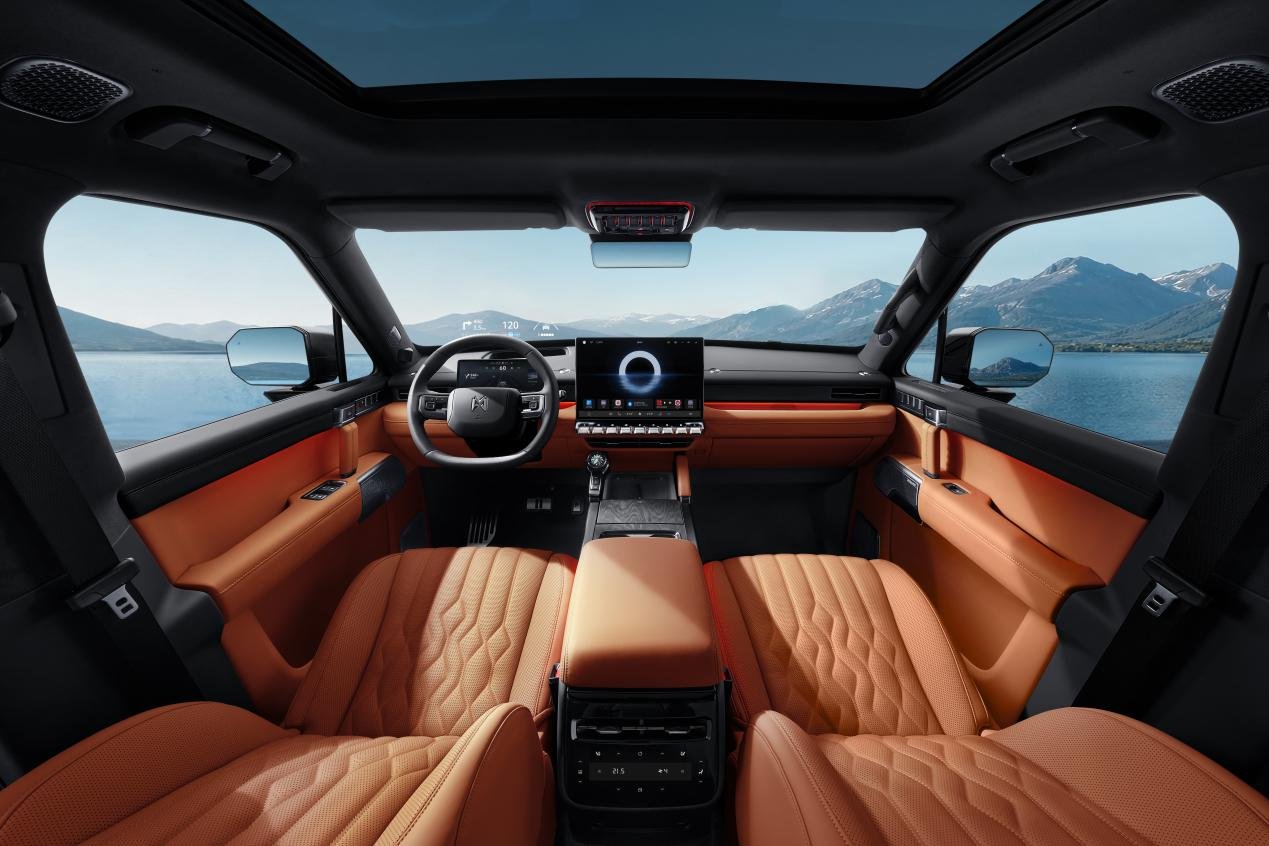
Considerable effort was also put into improving comfort. The all-aluminum chassis, 150mm dual-chamber air suspension, CDC dynamic damping adjustment, and bidirectional 20° rear-wheel steering allow the 5.1-meter-long M817 to have a minimum turning radius of just 5.2 meters, making its urban driving agility far exceed off-road vehicles of the same size. The rear space brought by the 3,005mm wheelbase can form a 2.1-meter flat bed when the seats are folded down, and features like NAPPA leather seats, queen passenger seat, Dynaudio sound system, and intelligent hot/cold refrigerator essentially bring a luxury SUV cabin into an off-road vehicle.
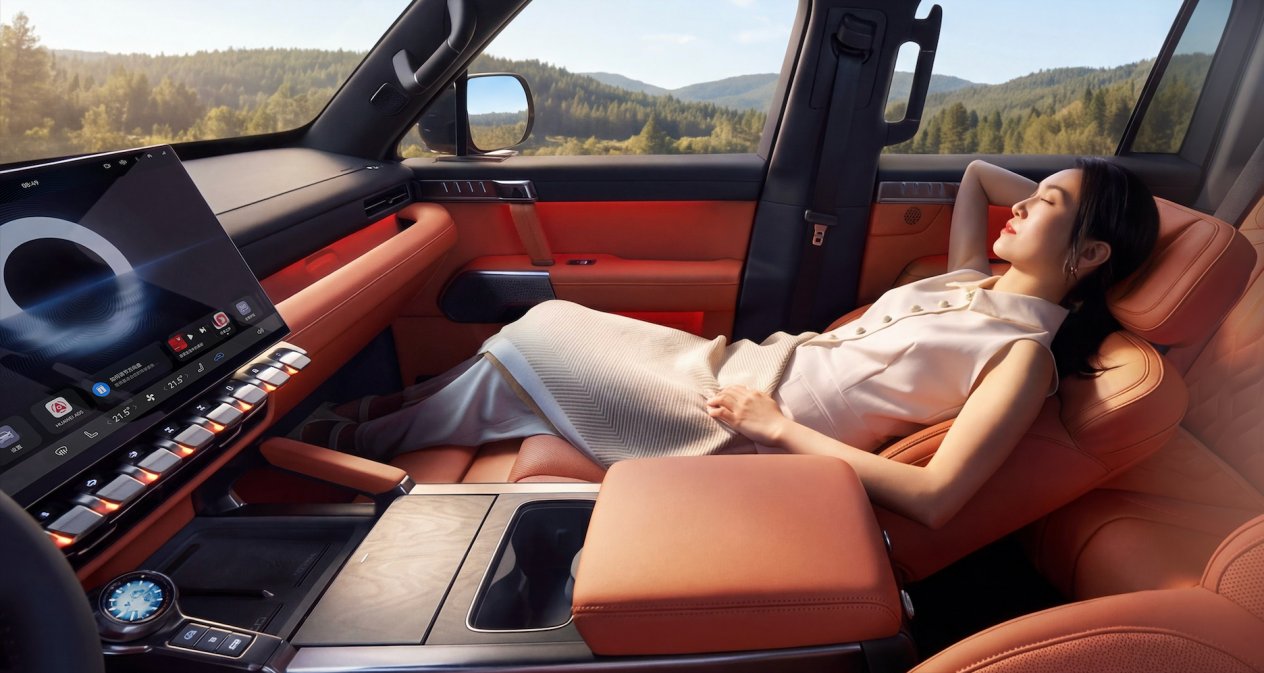
Compared with competitors in the same class, the M817's differentiation path is very clear: brands like Tank and Fangchengbao have accumulated experience in mechanical off-roading, but are relatively weak in advanced intelligent driving and comfort features; urban new energy SUVs do well in intelligence and comfort, but lack professional off-road hardware. The M817 chooses to use its military off-road DNA to guarantee the lower limit of performance, use Huawei technology to raise the upper limit of intelligence, and then use million-level chassis and comfort features to cover daily family usage scenarios. Whether this combination can shake the market depends on whether consumers are willing to pay for a "daily-drivable off-road vehicle." But at least from the perspective of product definition, it has indeed opened up a new way of thinking—off-road vehicles are no longer just weekend toys, but can serve as all-scenario family cars capable of "5 days of urban commuting, 2 days of suburban glamping, and X long-distance expeditions."