Refusing to take paid promotions, hardcore straight talk!
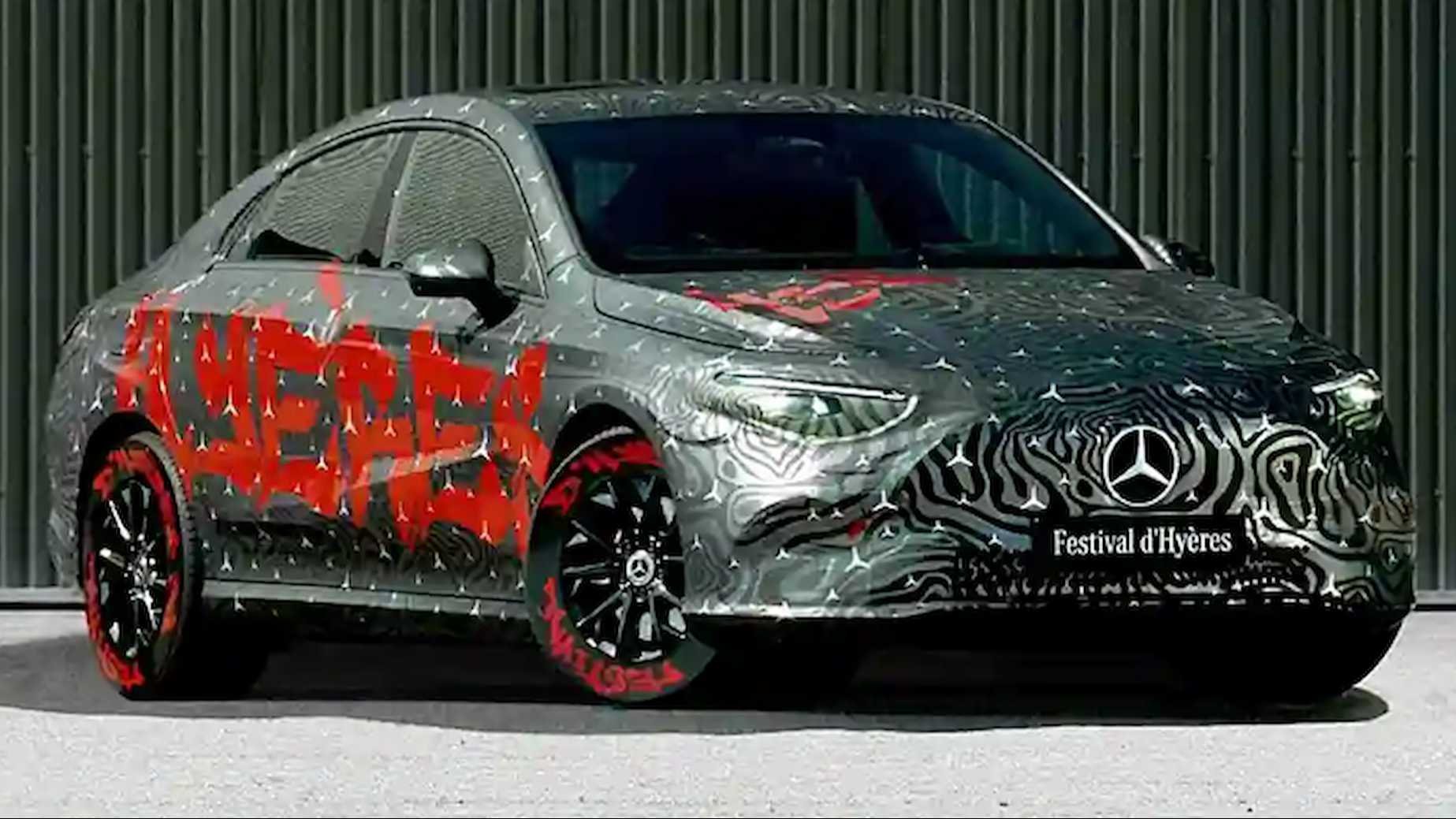
In-depth analysis of the all-new Mercedes-Benz CLA EV: 800V fast charging + L2++ intelligent driving—can it win back the market stolen by the new forces?
The late-arriving "electric assassin"—how good is the MMA platform's debut?
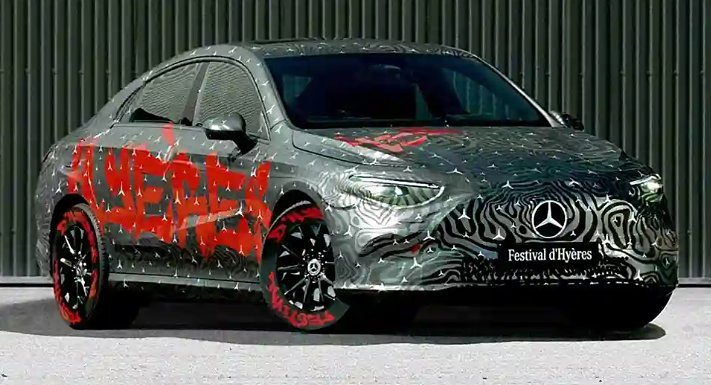
As Mercedes-Benz's latest-entry strategic EV model in its history, the CLA EV has only arrived belatedly at this point in 2025.
Compared with the electric revolution Tesla Model 3 kicked off seven years ago, the MMA platform Mercedes-Benz has brought out this time can be described as "rising early but arriving late to the party."
However, judging from the technical parameters, the combination of a full-domain 800V architecture + an 89.6kWh battery pack is indeed hardcore, with a 750km range and 12kWh/100km energy consumption directly targeting the BYD Seal Champion Edition and the top-spec Zeekr 007.
Interestingly, the figure of adding 400km of range in 15 minutes of charging is exactly consistent with the parameters of NIO's latest 500kW ultra-fast charging pile, suggesting that traditional luxury brands have finally caught up with the new forces in charging efficiency.
But don't rush to shout "really great," because the CLA EV, originally scheduled to start production in April, has already been delayed to August, with the official explanation being "software development issues."
Recalling that last year the Audi Q6 e-tron was also delayed due to electronic architecture problems, BBA's lack of capability in the intelligent transformation is evident.
By comparison, XPeng's XNGP full-scenario intelligent driving system has already iterated to version 4.5. Whether Mercedes-Benz's L2++ system can avoid showing weakness under complex Chinese road conditions still needs to be questioned.
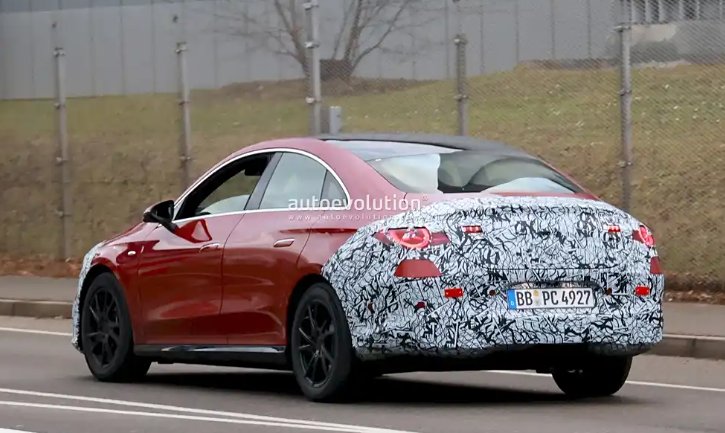
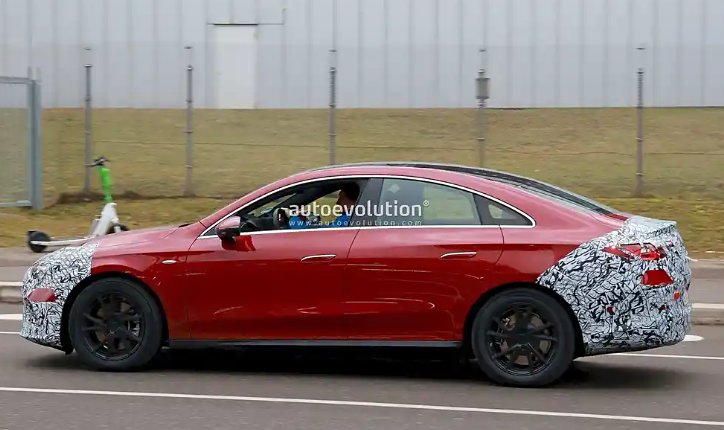
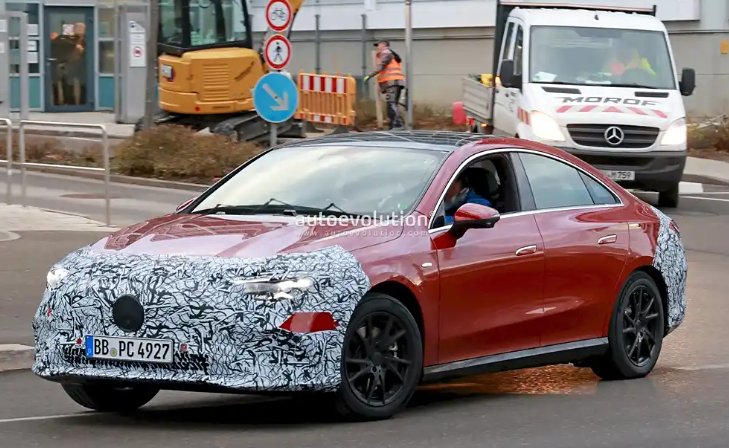
Judging from spy shots, the combination of a closed inverted-triangle grille + three-pointed-star daytime running lights not only retains Mercedes-Benz's luxury DNA but also reveals the struggle of compromising toward electrification.
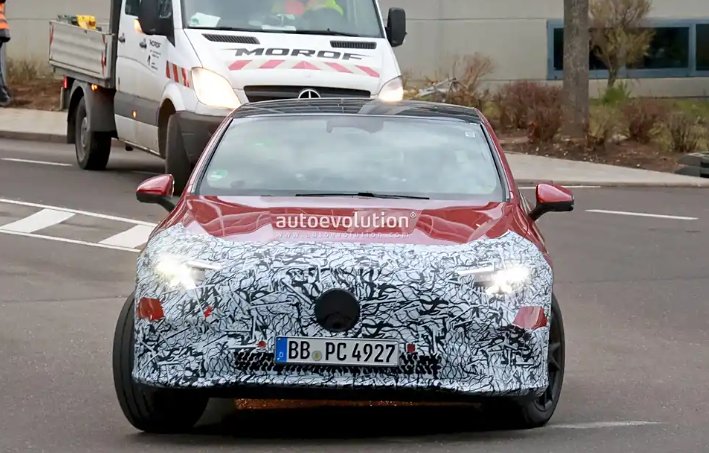
This "half gasoline, half electric" design language recalls the awkwardness of the Nokia N9 cramming a physical keyboard into the touchscreen era.
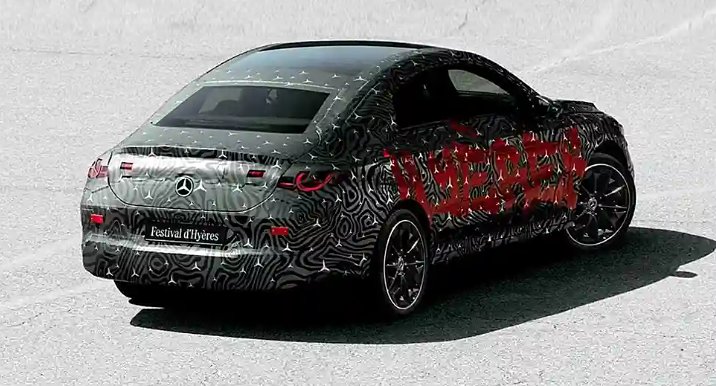
However, the fastback styling + semicircular taillights combination is stunning, and the 0.22Cd drag coefficient is 0.03 lower than that of the Porsche Taycan, suggesting the Germans have finally learned to "steal space" in aerodynamics.
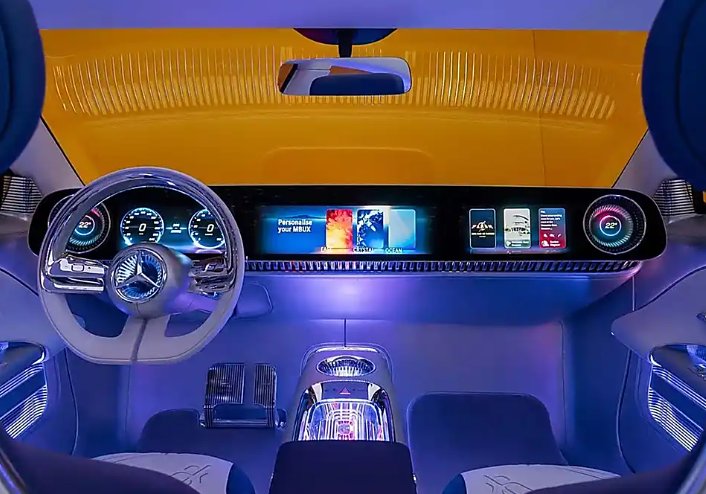
Inside, the triple-screen setup + MB.OS combination appears to max out the sense of technology, but compared with localized smart cockpits such as NIO NOMI and Li Auto Mind GPT, Mercedes-Benz's system may struggle in voice interaction and scenario-based services.
That virtual assistant claimed to have "empathy" had better not end up as an artificial idiot that can only recite the manual.
How much premium can the luxury halo still command?
The current imported CLA 260 starts at 382,000 yuan, while the domestically produced EV version will face competitors such as the Model 3 Refresh starting at 270,000 yuan and the Zeekr 007 starting at 269,000 yuan.
According to Mercedes-Benz's usual practice after localization, the long-wheelbase CLA is highly likely to be priced in the 350,000-450,000 yuan range. At this price point, it must not only compete with the top-spec models of the new forces but also watch out for terminal discounts on the BMW i4—truly "wolves ahead and tigers behind."
More subtly, Mercedes-Benz plans to reduce local material costs by 10% and production costs by 20% by 2027. This means the CLA EV, which is entering the market at a high price now, may face official backstabbing-style price cuts in the future.
Think of last year's tragic halving of the EQB 260's price—buying a Mercedes-Benz EV now could very likely make you the new generation's "leek king."
Mercedes-Benz's move to establish its largest R&D network outside Germany in China deserves recognition; the dual R&D centers in Beijing and Shanghai can indeed accelerate the localization process.
But it must be noted that the agile development model of the new forces, from product definition to OTA upgrades, is an advantage traditional automakers find hard to replicate.
For the CLA EV, from concept car debut to production delay, two years have passed—a pace sufficient for "NIO, XPeng, Li Auto" systems to complete three major model generations.
However, Mercedes-Benz's killer move lies in its luxury brand heritage + full industrial chain control capability.

While the new forces are still worrying about mass production of 4680 batteries, Mercedes-Benz has already achieved full-stack in-house development from electric drive units to operating systems. This kind of systematic combat capability may demonstrate a latecomer advantage in the second half of intelligent competition.
This article does not accept any fees from automakers; all views represent only the observations of an individual with fifteen years in the industry. To those peers who talk nonsense for paid promotions, I advise you to touch your conscience—it is not easy for consumers to save money to buy a car!


