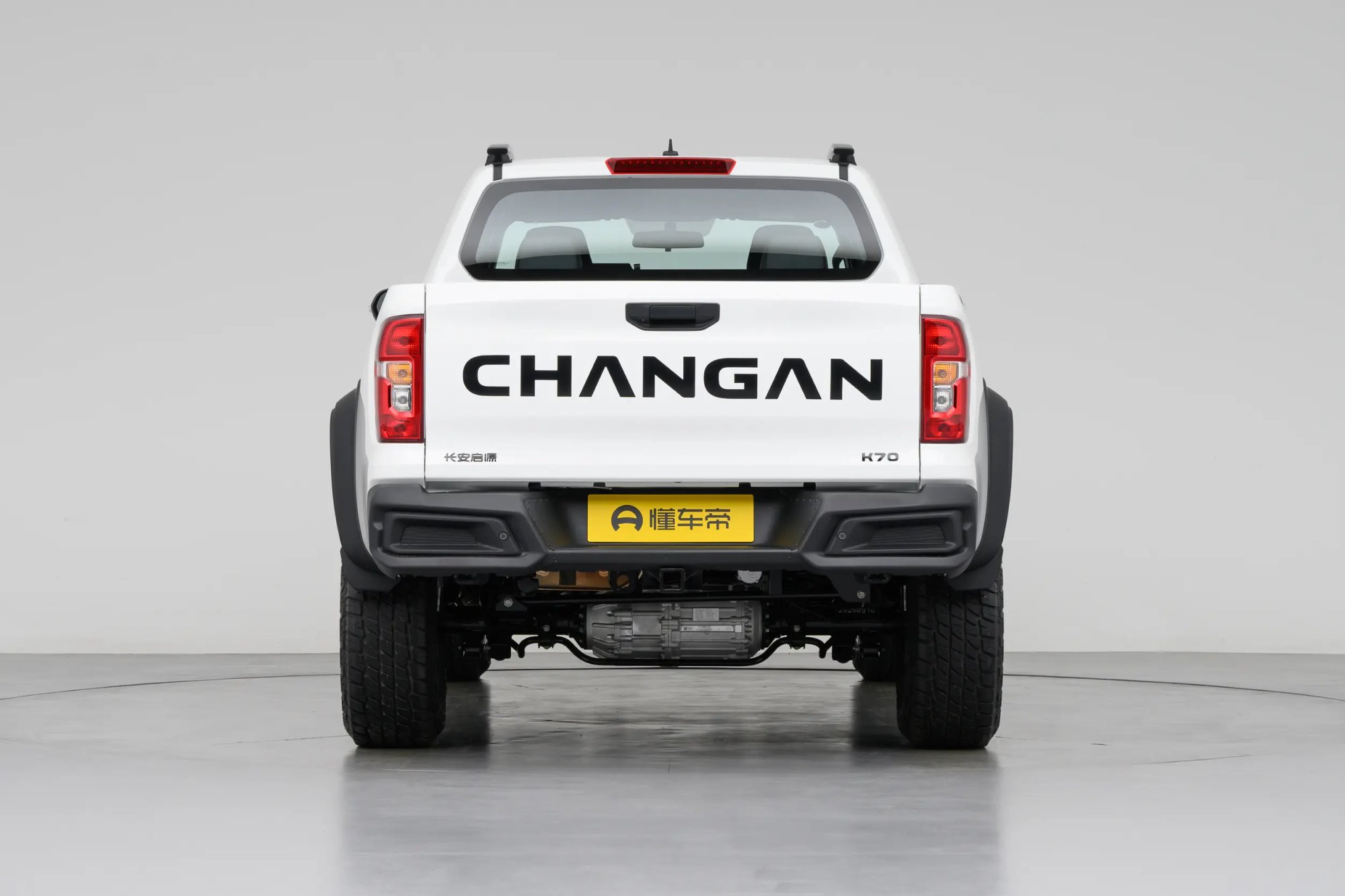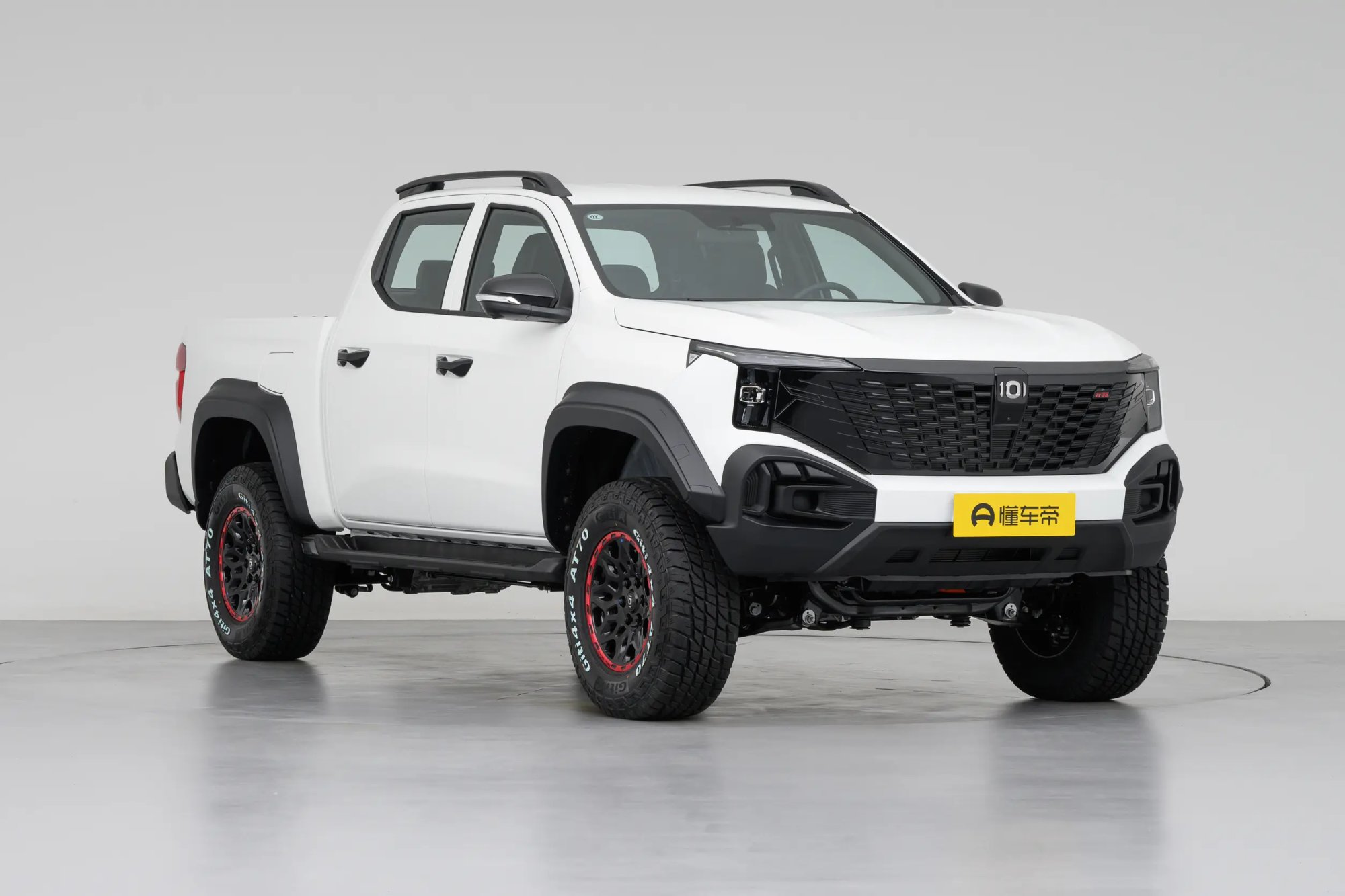
The 2026 Changan Hunter K70 officially launched on October 23. Positioned as a mid-size extended-range off-road pickup, the Pilot and Flagship trims are officially guided at 192,900 yuan and 207,900 yuan respectively. The new vehicle adopts a body-on-frame chassis with front and rear dual-motor four-wheel drive, offering low-range four-wheel drive, tank turn, and crawl mode, while the Flagship trim also features front and rear differential locks. For users who need to balance outdoor traversing, daily commuting, and cargo loading, what practical value do these off-road configurations actually offer?
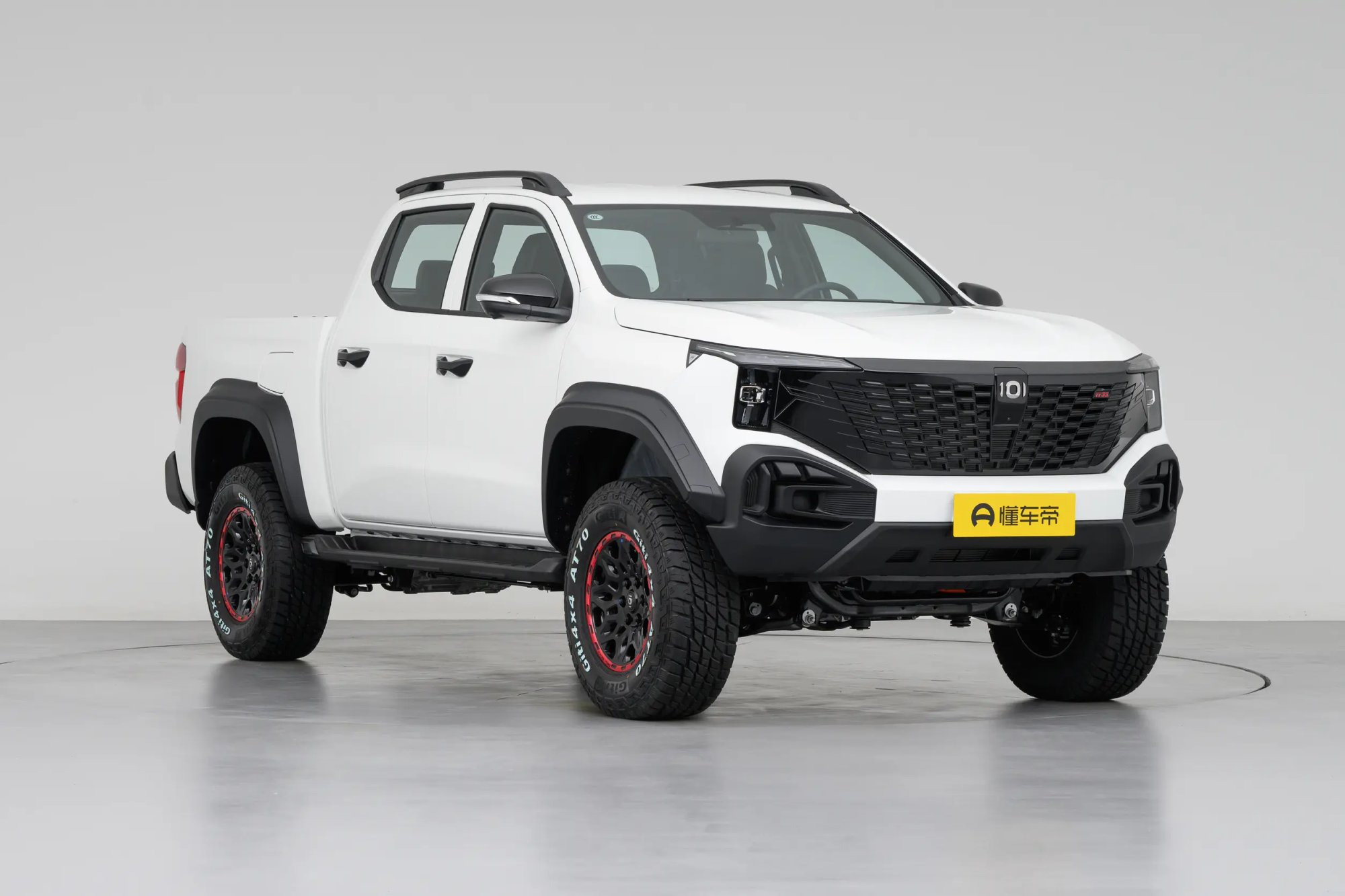
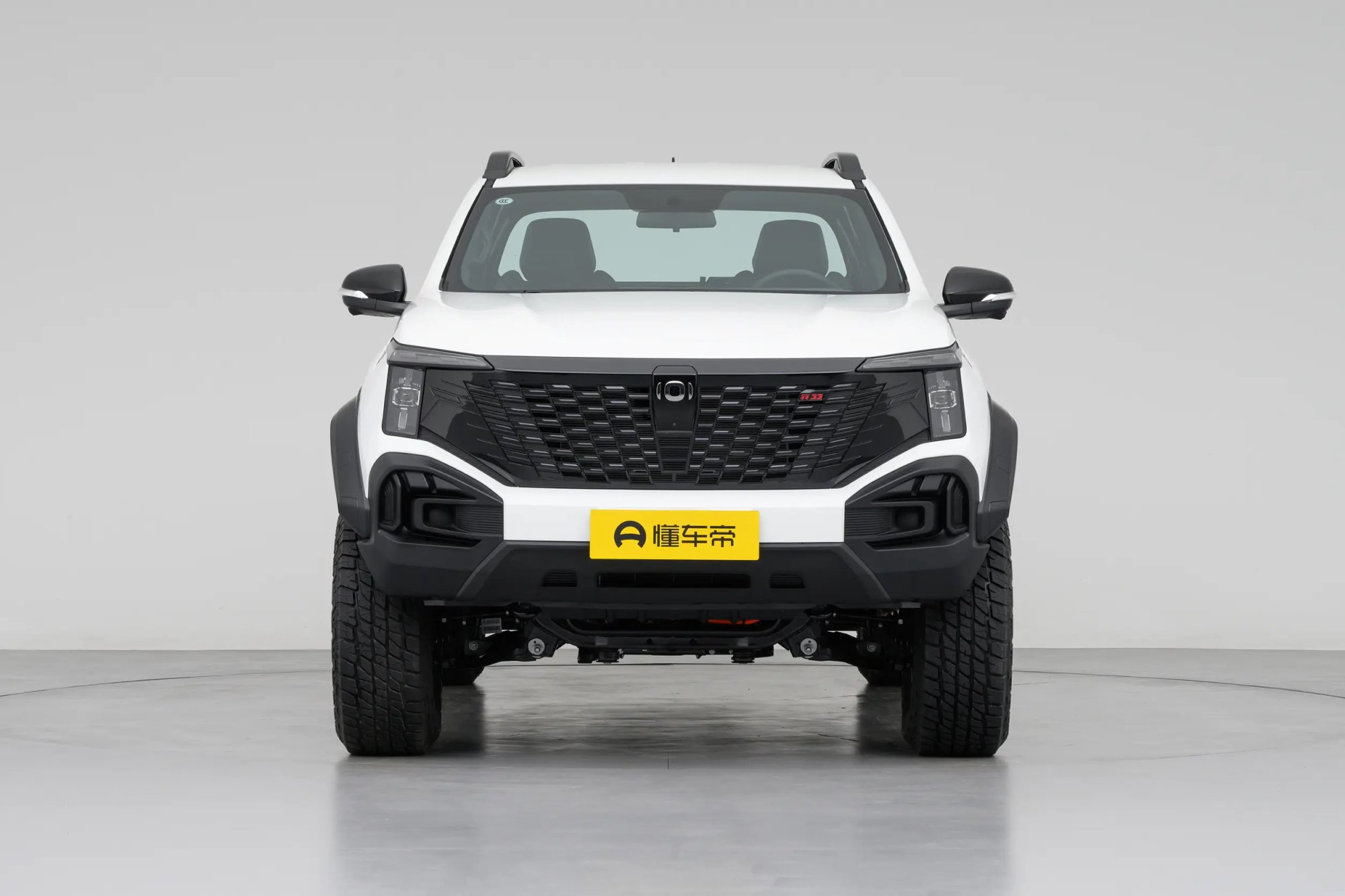
The exterior continues the Changan Hunter family's boxy design, with the front featuring a large blacked-out borderless grille connected to T-shaped LED headlights on both sides. The hood lines are straight, and the front bumper adopts a relatively thick protective styling with a reserved winch mounting position, making it convenient for users with professional off-road needs to upgrade their equipment later. The black grille and wide front bumper form a unified visual style.
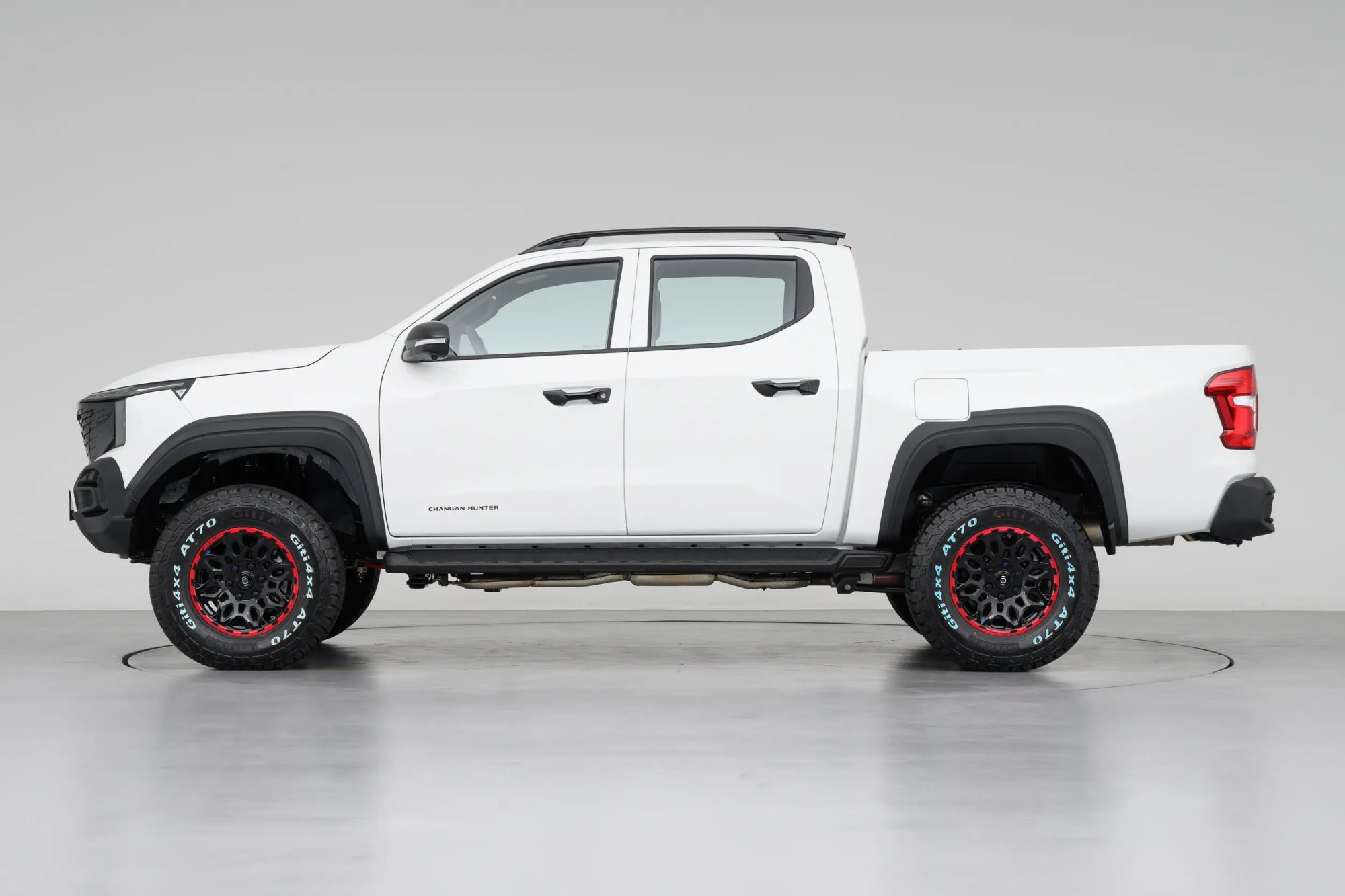
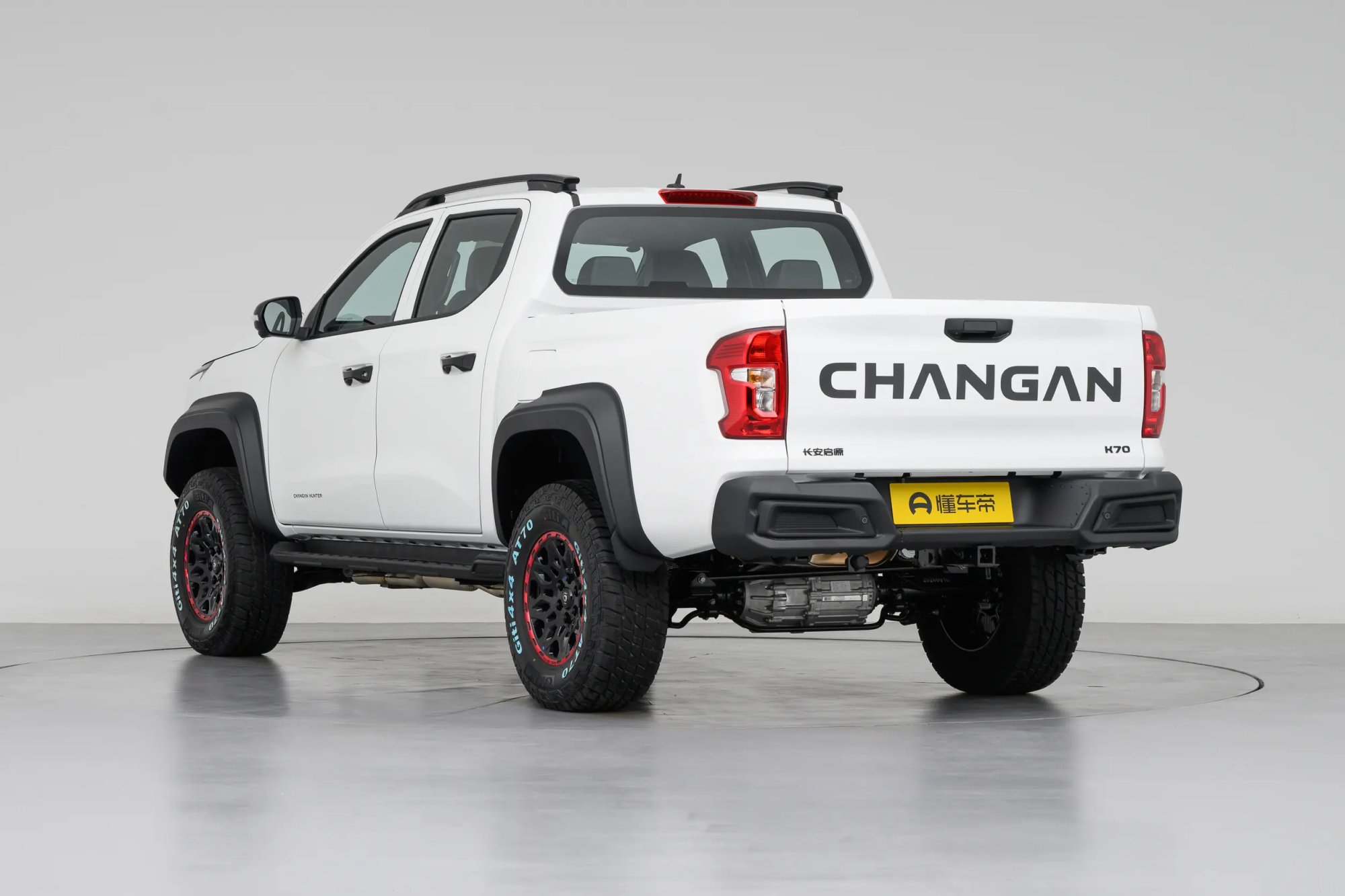
The side features a double-row cab and open cargo box structure, with flared wheel arches paired with fixed side steps. The Pilot trim is 5,380mm long, and the Flagship is 5,415mm; both are 2,085mm wide and 1,950mm tall, with a wheelbase of 3,260mm. Front and rear tires are LT285/70 R17 all-terrain AT tires, with an approach angle of 38°, departure angle of 28°, and minimum ground clearance of 245mm. The cargo box measures 1,600×1,595×500mm, making it easy to load camping gear, outdoor tools, and other bulky items.
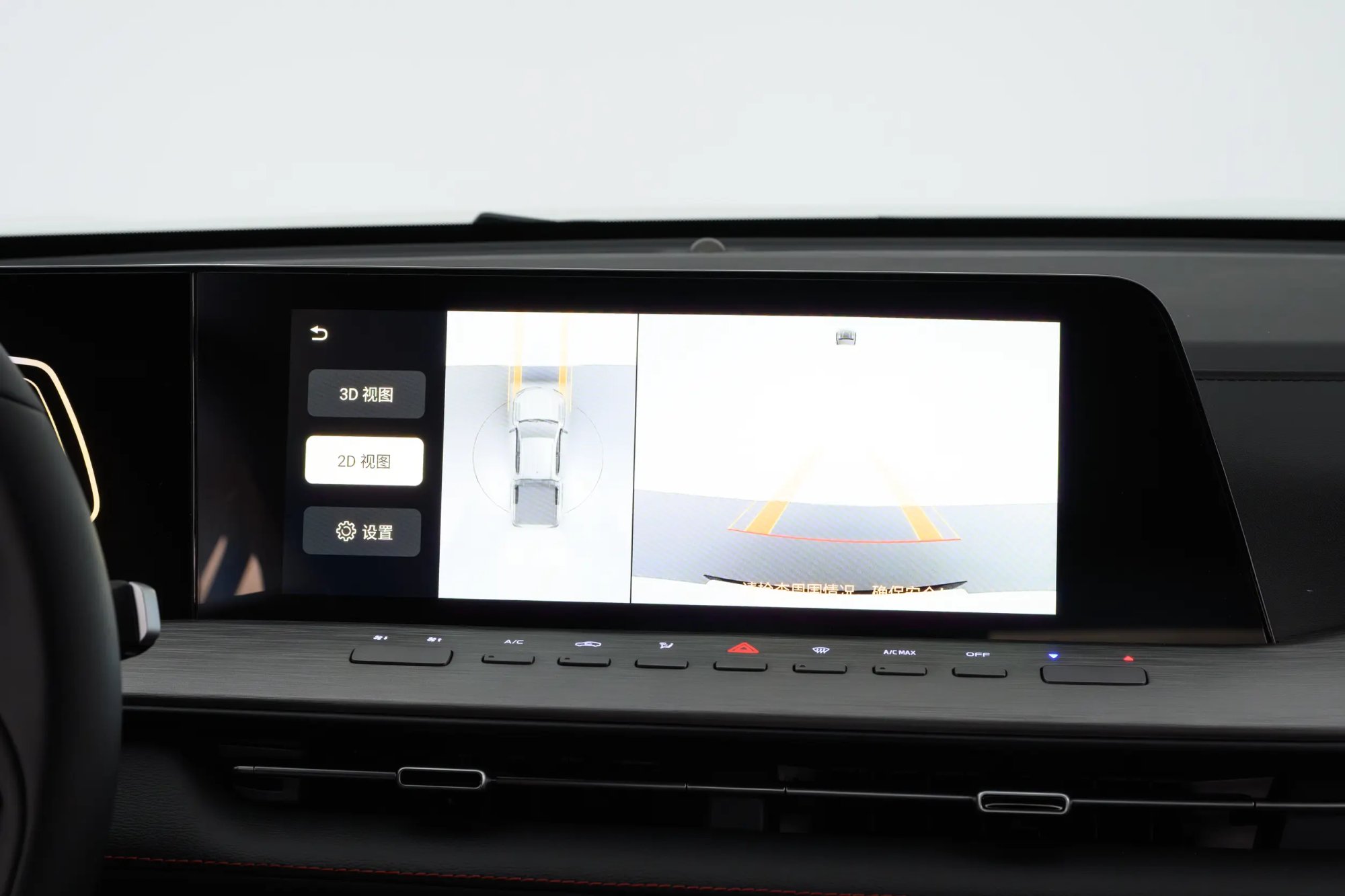
The interior adopts a practicality-oriented layout, equipped with a 12.3-inch central control screen, multifunction steering wheel, and electronic column shifter. The infotainment system supports voice recognition, 4G vehicle networking, OTA upgrades, and remote phone control, allowing users to check vehicle status, manage charging, and remotely operate some functions. The vehicle also offers 360° panoramic imaging and a transparent chassis feature, making it easier for the driver to observe obstacles around the body and near the wheels.
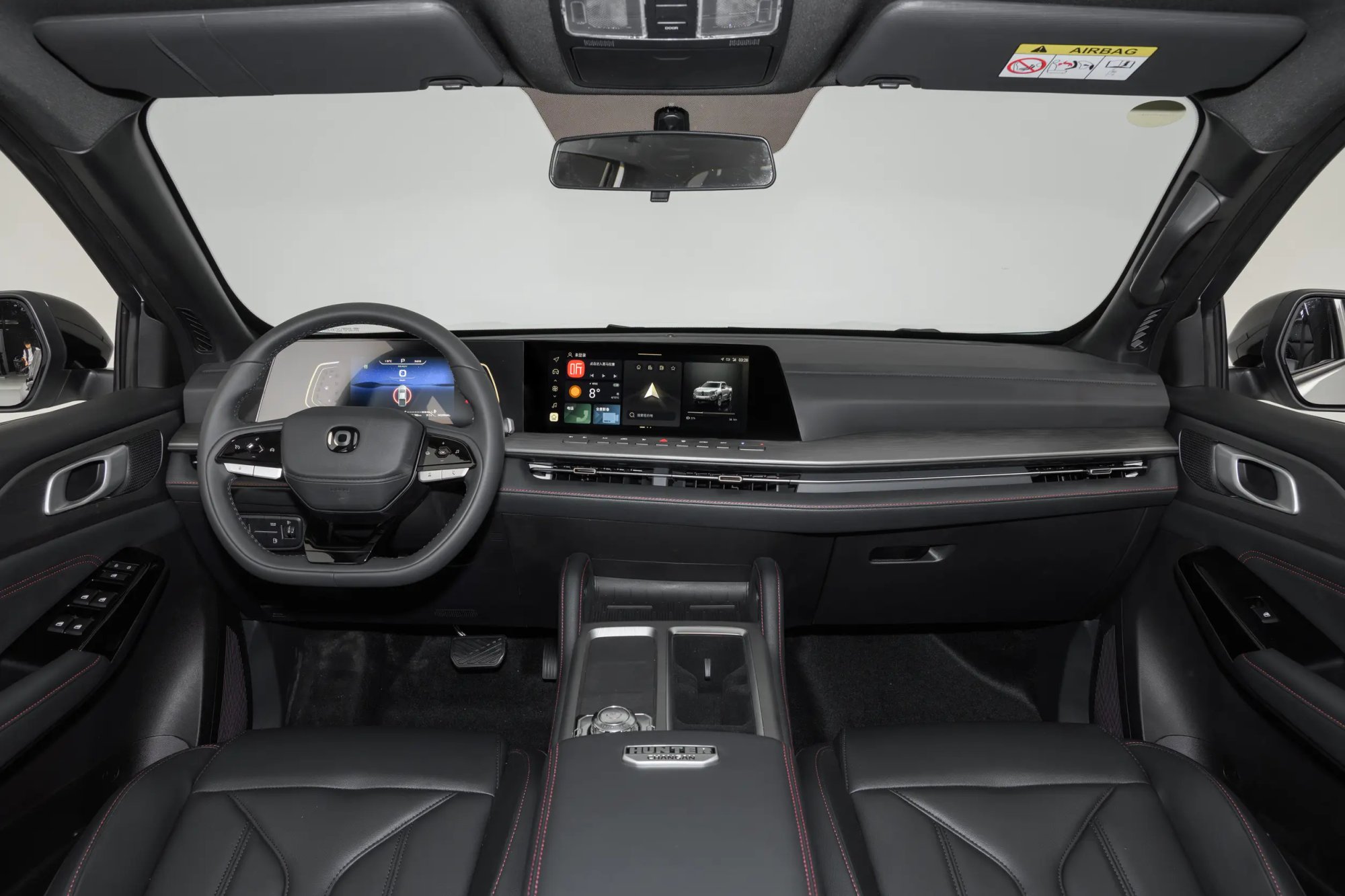
The Flagship trim further adds L2-level assisted driving features, including full-speed adaptive cruise control, lane keeping assist, and active braking. Compared with the Pilot trim's cruise control, these configurations are better suited to users who frequently drive long distances on highways. Both trims are equipped with rear parking radar, reversing camera, and 360° panoramic imaging, helping the driver observe the surroundings of the longer body.
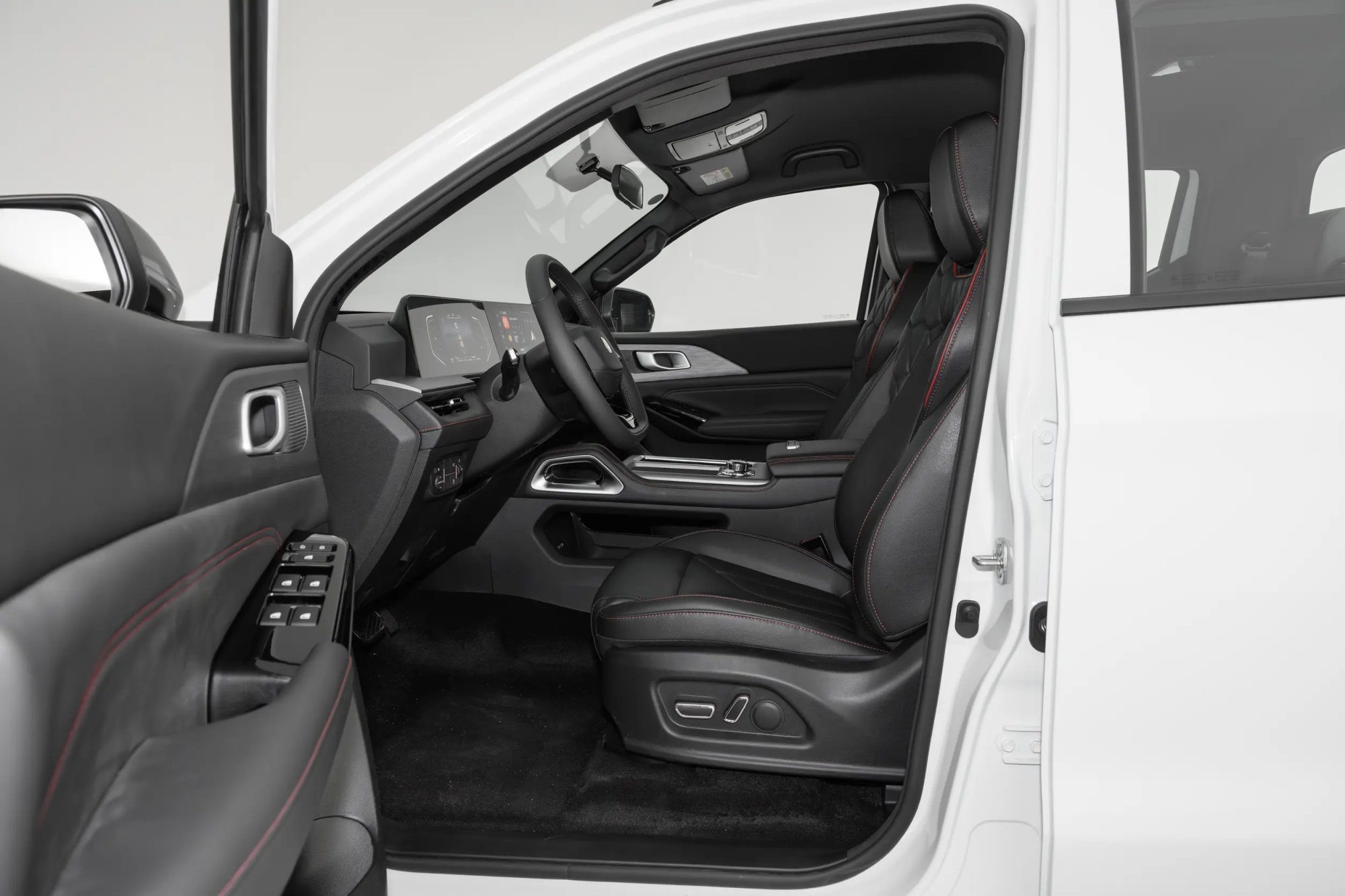
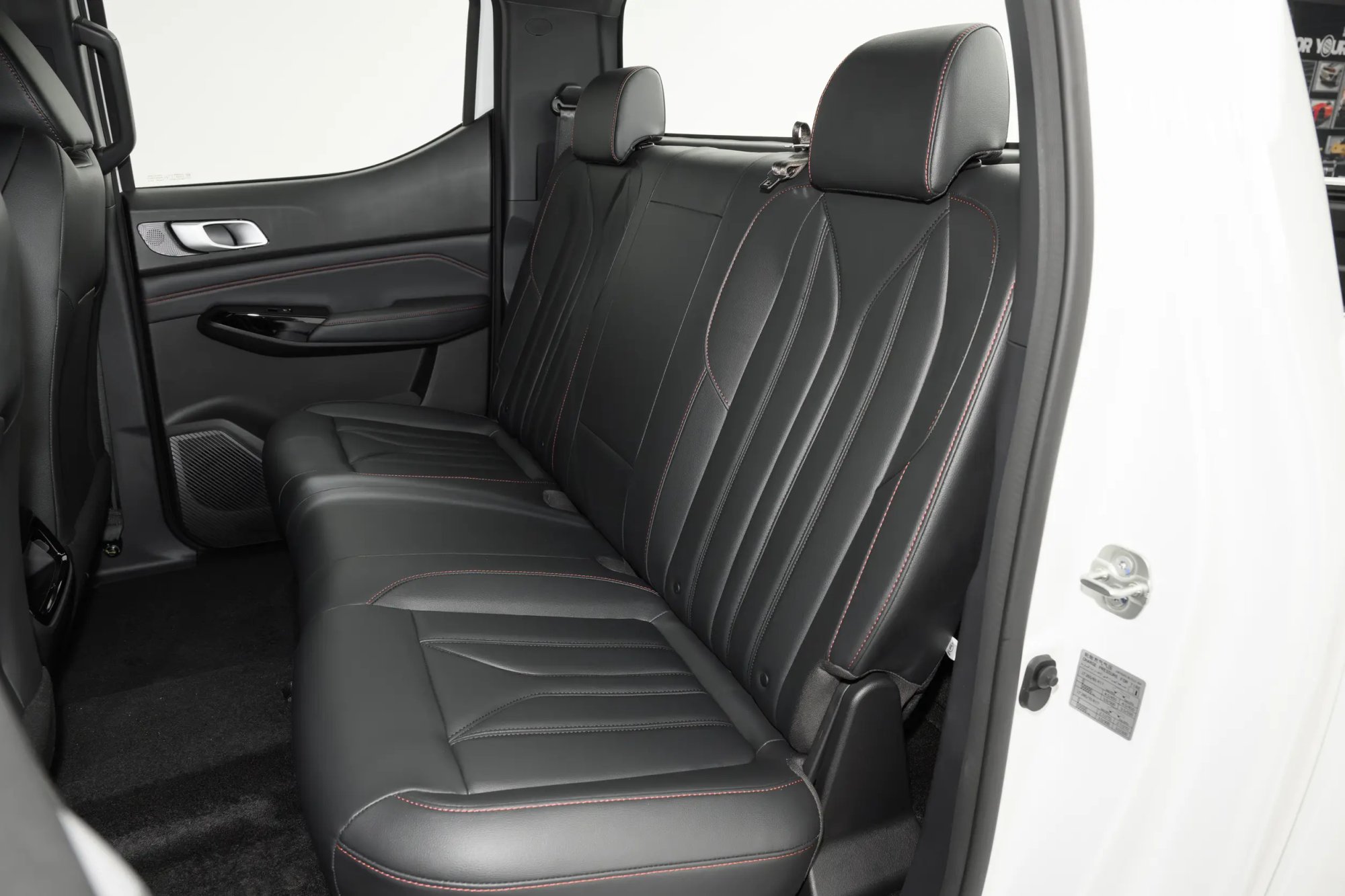
The cabin adopts a double-row five-seat layout, with faux leather seats; the driver's seat supports power adjustment, and the second-row seat backrest can be folded down as a whole. The Flagship adds power adjustment for the front passenger seat, driver's seat heating, 40W wireless phone charging, and automatic air conditioning. For users who frequently carry equipment, the double-row seats accommodate passengers while the independent cargo box at the rear is used for larger or dirtier outdoor items.
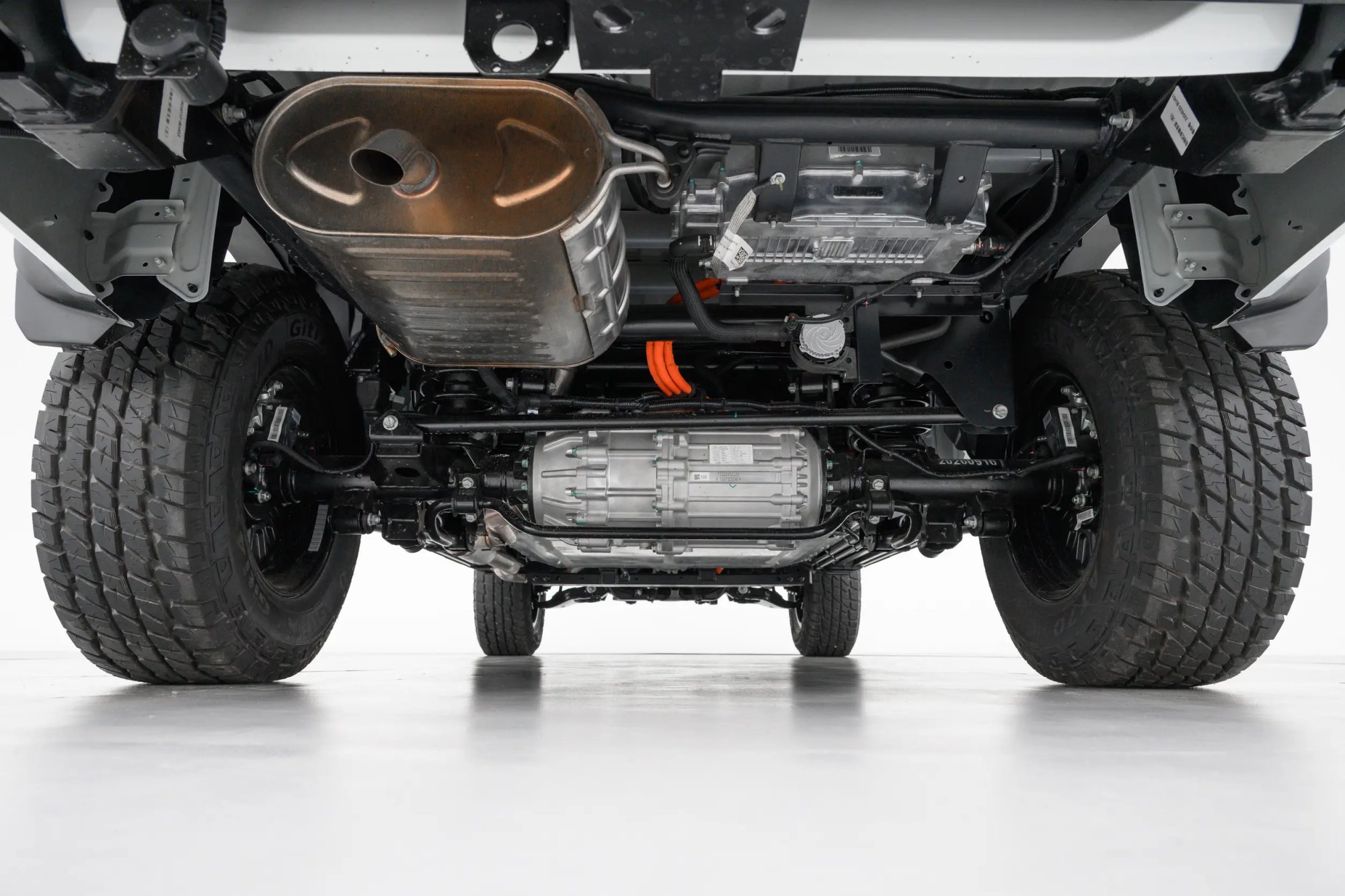
The chassis adopts a body-on-frame structure, with double-wishbone independent front suspension and multi-link independent rear suspension. The Flagship trim is equipped with front and rear differential locks; when the vehicle encounters differences in left-right wheel traction on surfaces such as cross-axle or muddy terrain, the differential locks can limit the speed difference between wheels on the same axle, helping transfer drive force to the wheels with traction. Together with electric four-wheel drive and low-range four-wheel drive mode, this forms a power distribution structure suitable for complex unpaved roads.
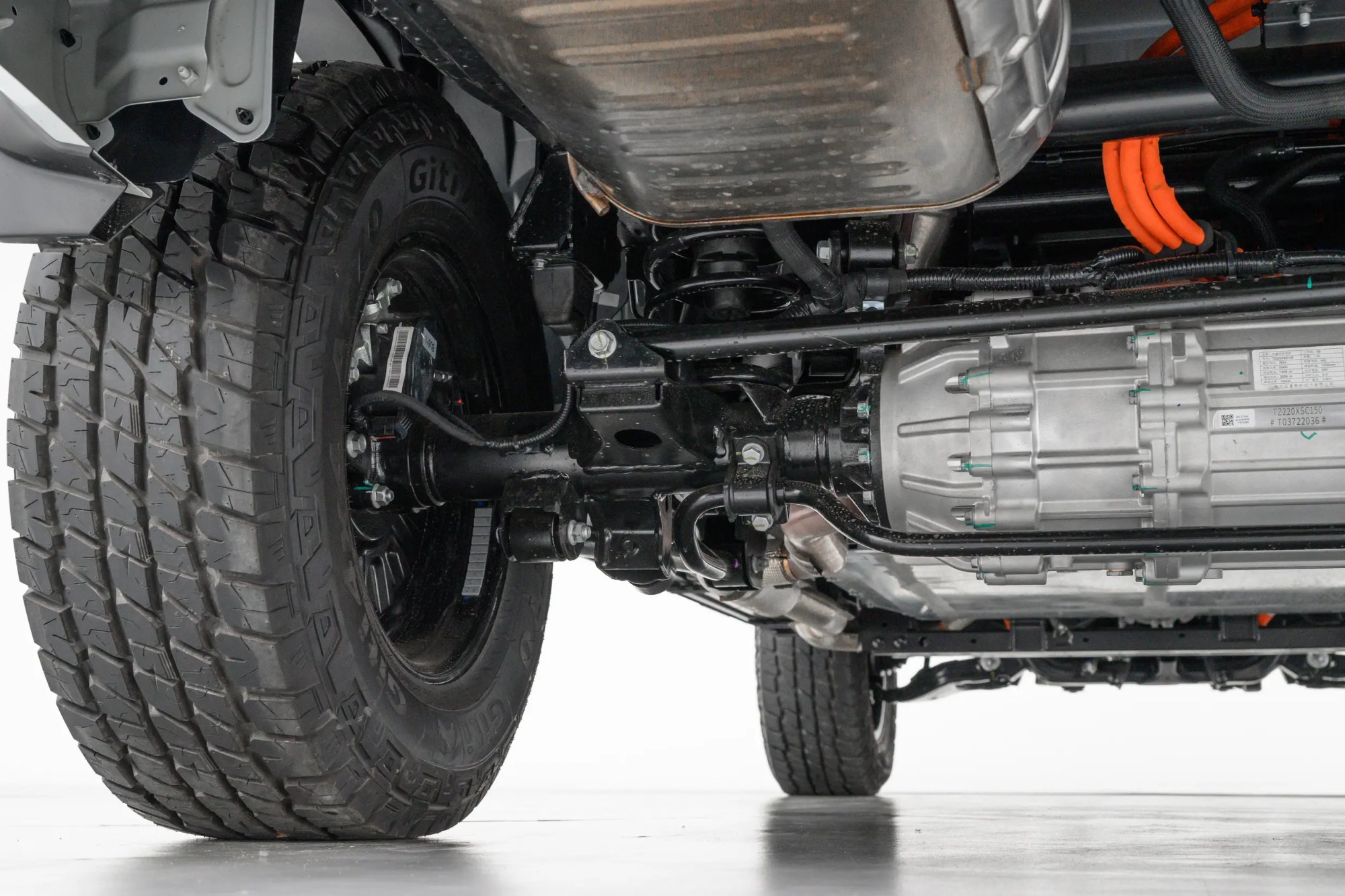
Tank turn and crawl mode mainly serve low-speed off-roading. Tank turn reduces the turning radius by applying braking force to the inner wheels, making it easier to adjust direction on narrow mountain roads or in areas with limited turning space; crawl mode helps maintain low-speed travel and reduces the driver's need to repeatedly adjust the accelerator pedal. For a pickup over 5.3 meters long, these two functions address the needs of turning on narrow roads and traveling through complex low-speed conditions, respectively.
Power comes from a 2.0T inline-four turbocharged range extender paired with front and rear dual permanent-magnet synchronous motors. The range extender has a maximum power of 140kW (190Ps) and maximum torque of 340N·m, mainly handling power generation. The front motor has a maximum power of 110kW and maximum torque of 209N·m, while the rear motor has a maximum power of 150kW and maximum torque of 350N·m; total motor power is 260kW (354Ps) and total torque is 559N·m. The official 0-100km/h acceleration time is 6.5 seconds, with a top speed of 181km/h.
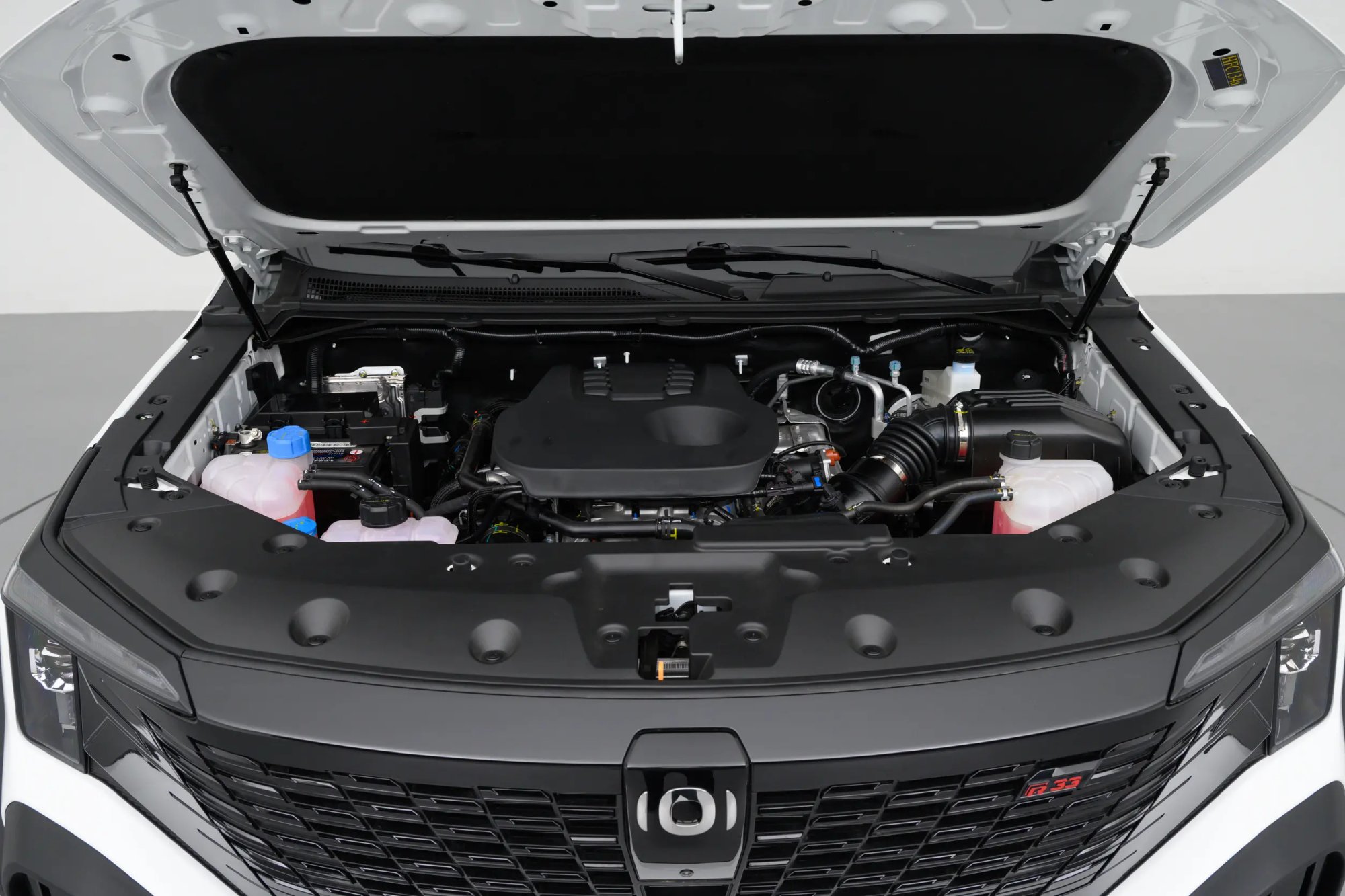
The vehicle is equipped with a 43.47kWh CATL lithium iron phosphate battery, with an NEDC pure electric range of 150km, a WLTC pure electric range of 121km, and a CLTC combined range of 897km. Fast charging from 30% to 80% takes 16 minutes; WLTC combined fuel consumption is 2.81L/100km, and fuel consumption at the minimum state of charge is 11.4L/100km. The vehicle supports 3.3kW external discharge and offers a 30kW super external discharge solution, which can meet power needs for outdoor lighting, tools, and camping equipment.
The Hunter K70's defining feature is the combination of a body-on-frame chassis, dual-motor four-wheel drive, off-road assistance functions, and extended-range energy replenishment, while retaining the pickup's independent cargo box. The Pilot trim provides basic four-wheel drive and outdoor-use configurations, while the Flagship adds front and rear differential locks and more safety and comfort features. For users who truly need to enter complex terrain, do you think spending an extra 15,000 yuan to upgrade to front and rear differential locks is more worthwhile, or is the 192,900 yuan Pilot trim already enough to meet daily light off-road needs?